WHY CARAWATER

When it comes to water safety, not all filtration systems are created equal. Many products on the market look similar but vary drastically in performance, lifespan and reliability. Carawater stands apart by combining German engineering, international certification and over 25 years of expertise in water purification. The systems are designed for those who demand more than “good enough” they want complete confidence in their water, anywhere and anytime.

Every Carawater product embodies innovation driven by sustainability, with technologies to ensure healthier, safer water while reducing environmental impact and reliance on bottled water.

Explore the sections below to see why Carawater is the trusted choice for uncompromising water quality.

CARAWATER – SETTING NEW STANDARDS

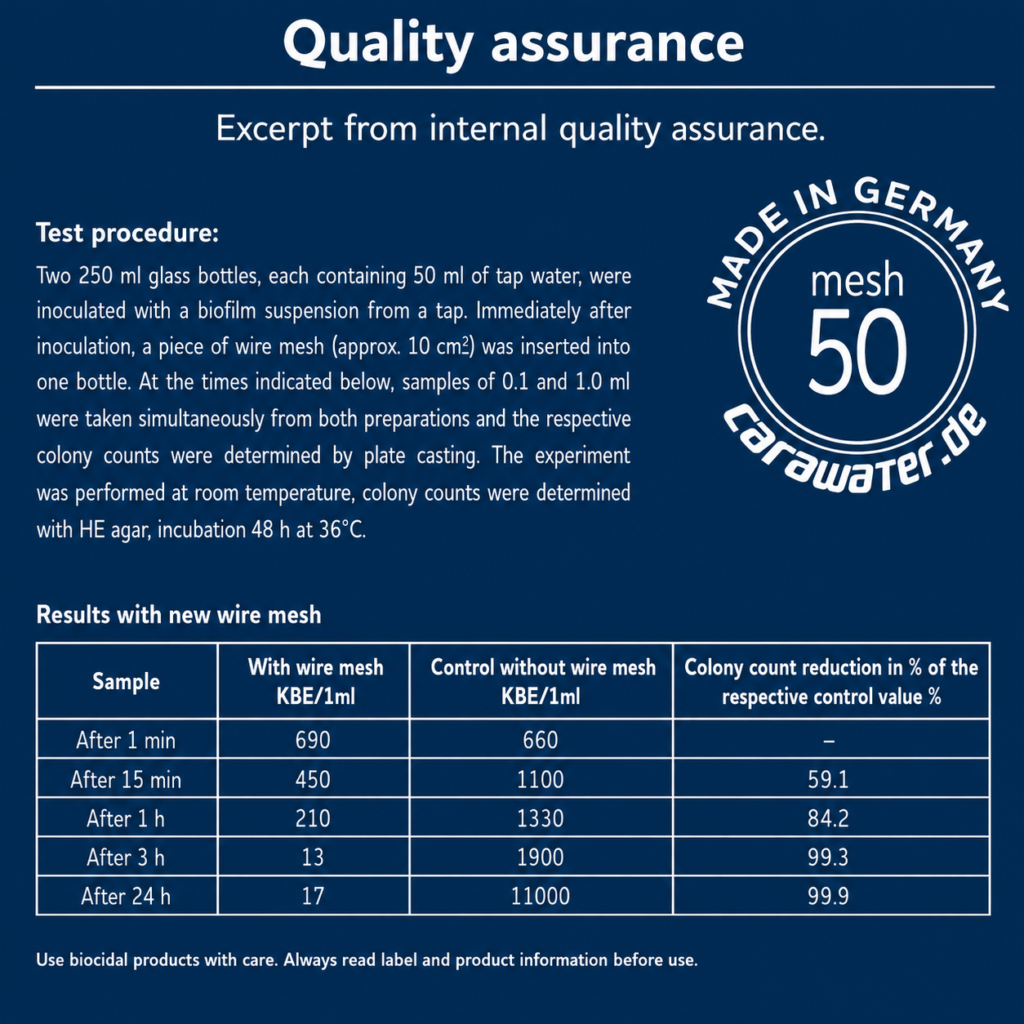
Ensure superior protection against water contamination with Carawater’s innovative Micro-field Mesh 50 technology. Designed for high-performance water filtration systems, this advanced feature protects all filter materials and media from biofilm, germ, and bacteria formation. Importantly, the coating remains isolated and does not combine with the filtered water, ensuring the highest standards of safety and hygiene.

Benefits of Micro-field Mesh 50

  • Water Conservation: Efficient filtration reduces waste and promotes sustainability.
  • Hygiene Protection: Protects water storage systems from contamination.
  • Protection Against Retrograde Contamination: Prevents contaminants from entering the system.
  • Anti-Decay Treatment: Extends the lifespan of filtration components.
  • Biofilm Protection: Inhibits harmful bacterial growth in water systems.
  • Defusing the Endotoxin Risk: Minimizes the presence of harmful endotoxins in drinking water.

The Micro-field Mesh 50 leverages a physical-catalytic process with a bacteriostatic effect. This advanced technology stabilises drinking water, process water, and water storage systems making it ideal for:

  • Mobile and off-grid water filtration systems
  • Eco-friendly water solutions for sustainable living
  • Water storage systems for caravans, RVs, and boats
  • Safe and hygienic water purification for families

Experience the next level of water quality with Carawater. Our German-engineered water filtration systems are built to deliver unmatched performance and peace of mind.

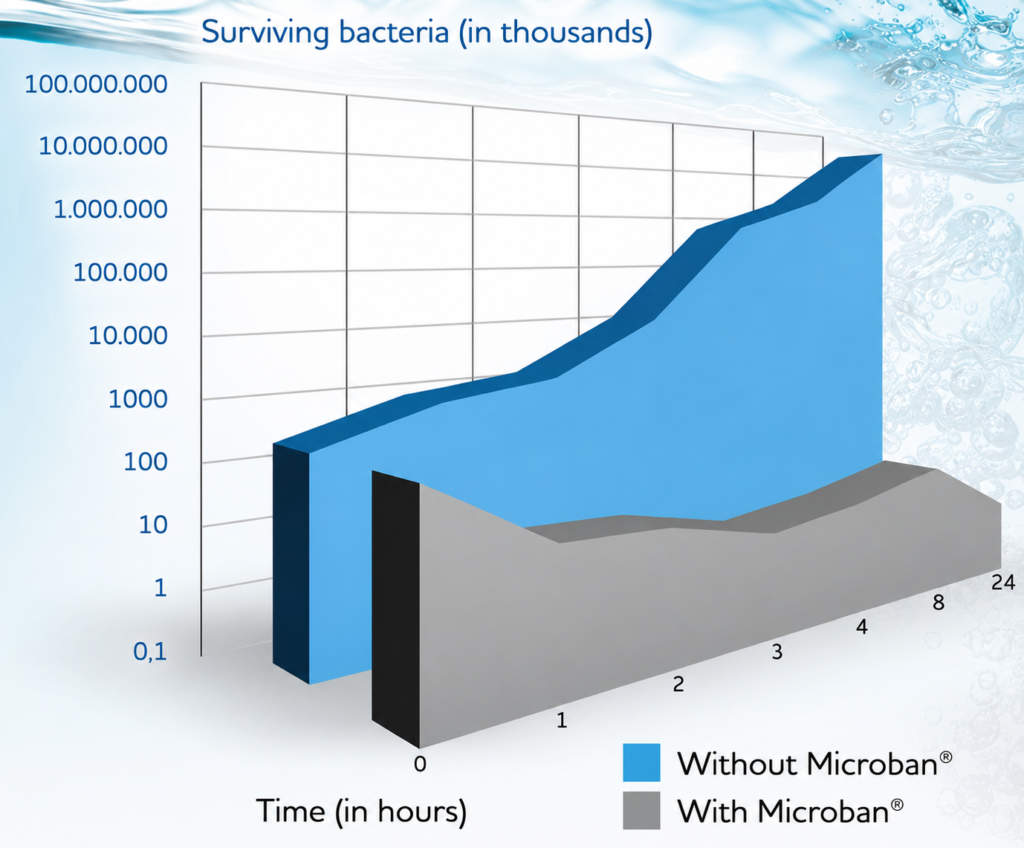
The belief is that actively filtering water ensures it is safe, offering peace of mind. However, what happens inside the filter housings of standard systems may shock you. Contaminated filter housings can become breeding grounds for bacteria.

Carawater Microban® is a patented antibacterial filter housing coating system, developed using advanced medical technology. Proven to reduce bacterial growth effectively, this innovative system is a key feature of all Carawater water filtration solutions. Whether you need reliable water filters for home use, off-grid living, or outdoor adventures, Carawater’s Microban® technology provides added protection, ensuring your water remains clean and safe.

Over 1 million single-use plastic bottles are purchased every minute globally, and 5 trillion plastic bags are used annually. Nano and microplastics (NMPs) have been detected in marine water, freshwater, food, air and even drinking water sources, including both bottled and tap water. These particles pose hazards in three forms: physical particles, chemicals, and microbial pathogens in biofilms.

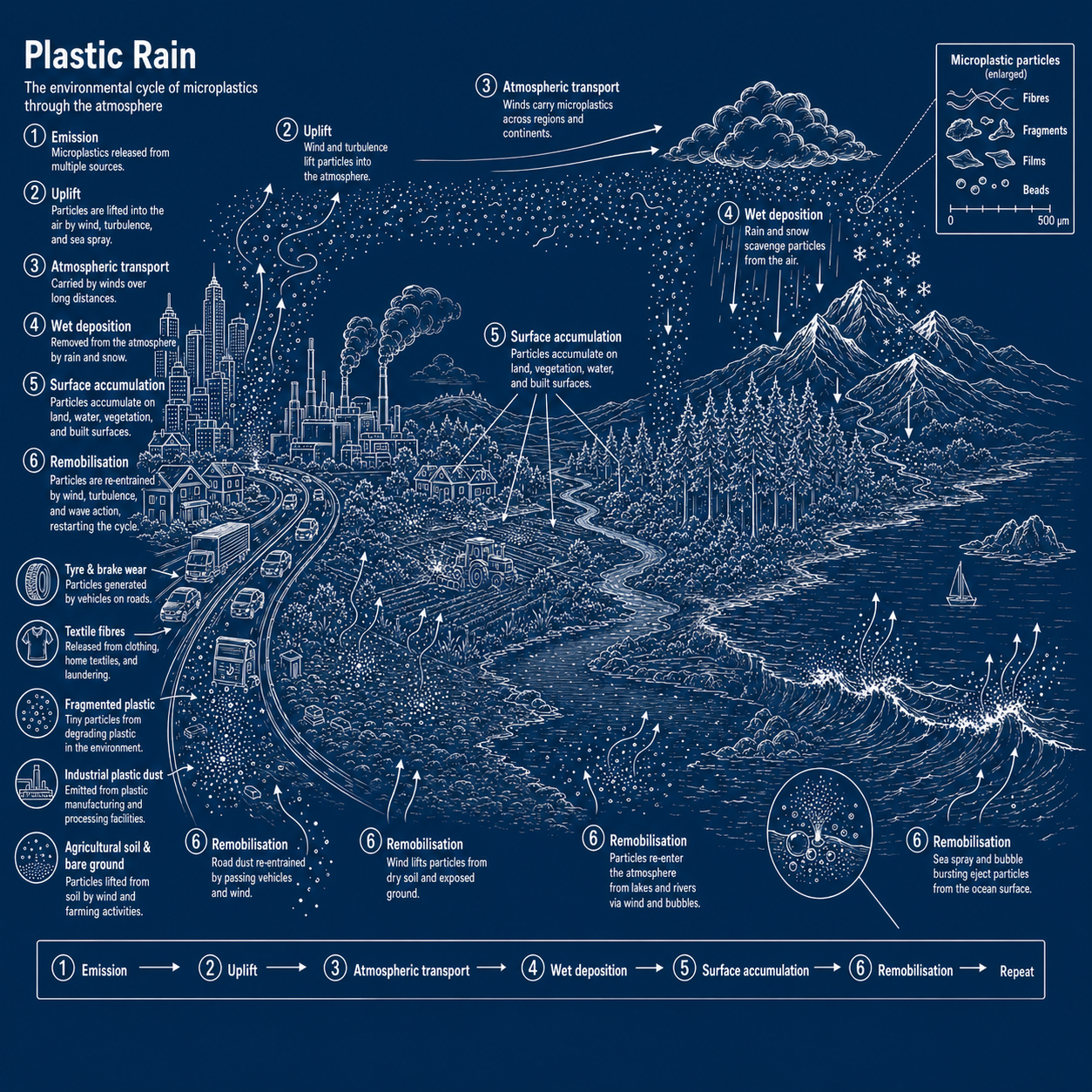
NMPs are now pervasive, detected even in rainfall and snowfall worldwide, contaminating nearly all freshwater sources. Scientists refer to this alarming phenomenon as “Plastic Rain.”

Carawater leads the way with advanced solutions to tackle this issue. The FITRADOC M and L systems are the world’s first NSF/ANSI 401-certified filters designed to reduce microplastic contamination. Whether you choose the FITRADOC M or L, you can trust Carawater to deliver healthier, safer water. For those needing unparalleled efficiency, the Carawater AUTARX systems leverage reverse osmosis technology to filter contaminants as small as 0.0001 microns, ensuring the removal of 99.9999% of pollutants.

How Nano and Microplastics (NMPs) Enter Our Environment, Food Chain, and Water

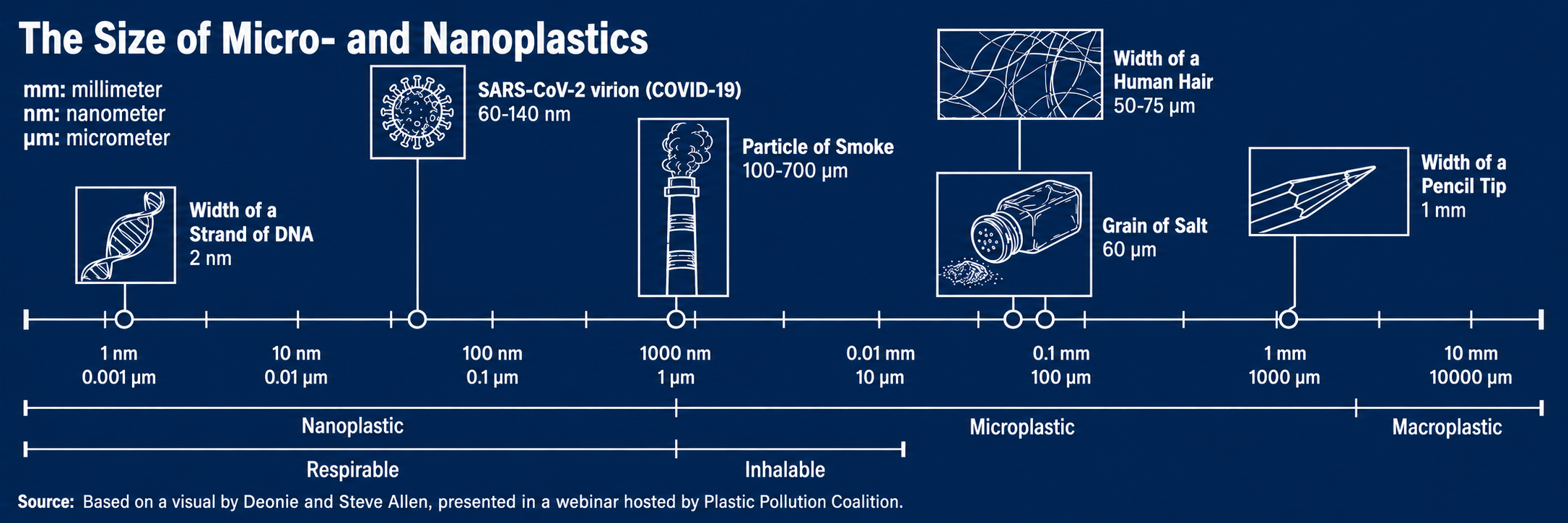
What are Nano and Microplastics (NMPs)? Nano and microplastics are classified by size:

  • Primary microplastics: Intentionally small particles, such as microbeads in cosmetics, measuring less than 1 mm.
  • Secondary microplastics: Result from the degradation of larger plastics, ranging up to 5 mm.

Nano plastics: Even smaller particles, less than 1 micron, which can penetrate tissues and cells, posing microscopic risks

What is Plastic Rain?

Plastic rain refers to the phenomenon of Nano and microplastics (NMPs) particles falling from the sky within rain or snow. These particles, formed when larger plastics degrade, integrate into the water cycle and infiltrate ecosystems.

How Does Plastic Rain Happen?

When plastics degrade due to sunlight, weathering, or mechanical forces, they break into nano and microplastics. These tiny particles adhere to water droplets through a process called adhesion. Transported by wind and weather systems, they eventually fall back to Earth with precipitation, contaminating soil, waterways, underground water, and oceans.

Researchers found that over 1,000 metric tons of microplastic fall on 11 protected areas in the US annually, equivalent to over 120 million plastic water bottles.

The Cycle Of Plastic Rain

Nano and Microplastics (NMPs) in Fresh Water

Nano- and microplastics have infiltrated nearly all freshwater systems, including drinking water. These particles often carry harmful chemicals and pathogens, posing risks to human health. To combat this growing issue, Carawater offers advanced filtration systems tailored for both domestic, off-grid and mobile applications.

Engineered with precision, Carawater’s FITRADOC systems effectively remove microplastics and other contaminants, providing healthier water while supporting sustainable living solutions. For unparalleled purification, the Carawater AUTARX  system uses reverse osmosis technology, filtering contaminants at 0.0001-microns and eliminating 99.9999% of impurities.

Nano and Microplastics (NMPs) in the Food Chain

Marine contamination by NMPs is well-documented. Microorganisms consume nano and microplastics, which then travel up the food chain to fish, shellfish, and eventually humans. These particles are also found in terrestrial ecosystems, impacting livestock through feed contamination, Water sources and Environmental exposure.

Airborne Nano and Microplastics (NMPs)

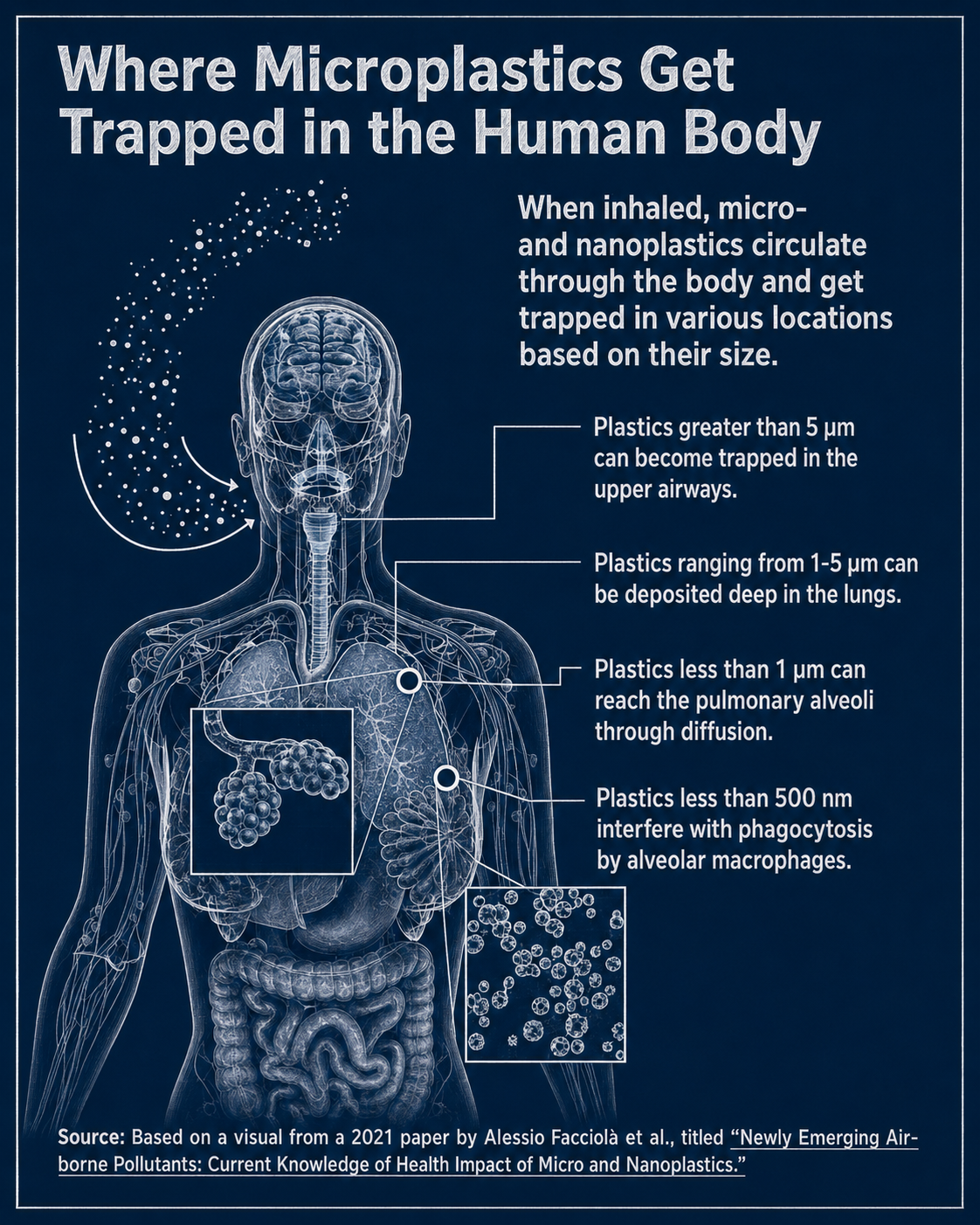
Everywhere they look, scientists are finding NMPs. Often so small that they are invisible to the human eye, these tiny plastic particles are imperceptible as they pass through airways and reach the very bottom of the lungs. Scientists have found that inhalation is a major contributor to human intake of NMPs. With exposure rates, the amount of atmospheric NMPs in an individual’s vicinity can be as high as 5,700 NMPs per cubic meter. It’s estimated that humans can inhale up to 22,000,000 NMPs annually.

Nano and Microplastics (NMPs) In the Human Body

The discovery, presented at the American Heart Association’s Vascular Discovery 2025 conference, revealed that people who had strokes or symptoms like vision loss or mini-strokes had more than 50 times the amount of NMPs in their carotid arteries than those who didn’t.

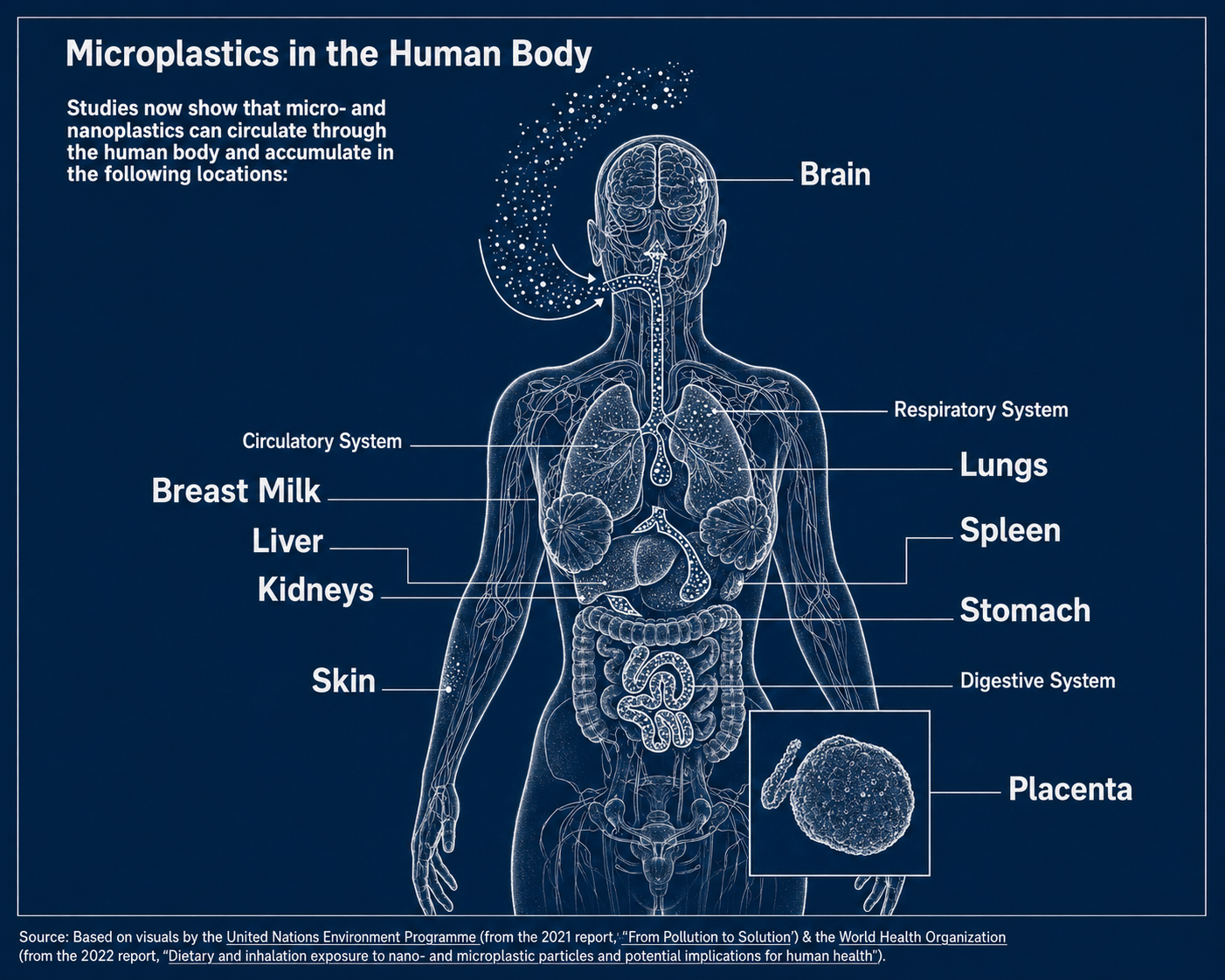
Micro and Nano Plastics in the Human Body

Exposure to NMPs can occur through inhalation, penetration through skin pores and ingesting foods and water that contain them. NMPs reach inside the human body depends on their properties, size, shape and an individual’s metabolism, susceptibility and anatomy. They can enter the respiratory system through the nose or mouth before being deposited in the upper airways or deep in the lungs.

Once there, evidence shows that NMPs can be transferred from the lung epithelial surface to lung tissue, potentially to internal organs and the vascular system and beyond.

Health Impacts

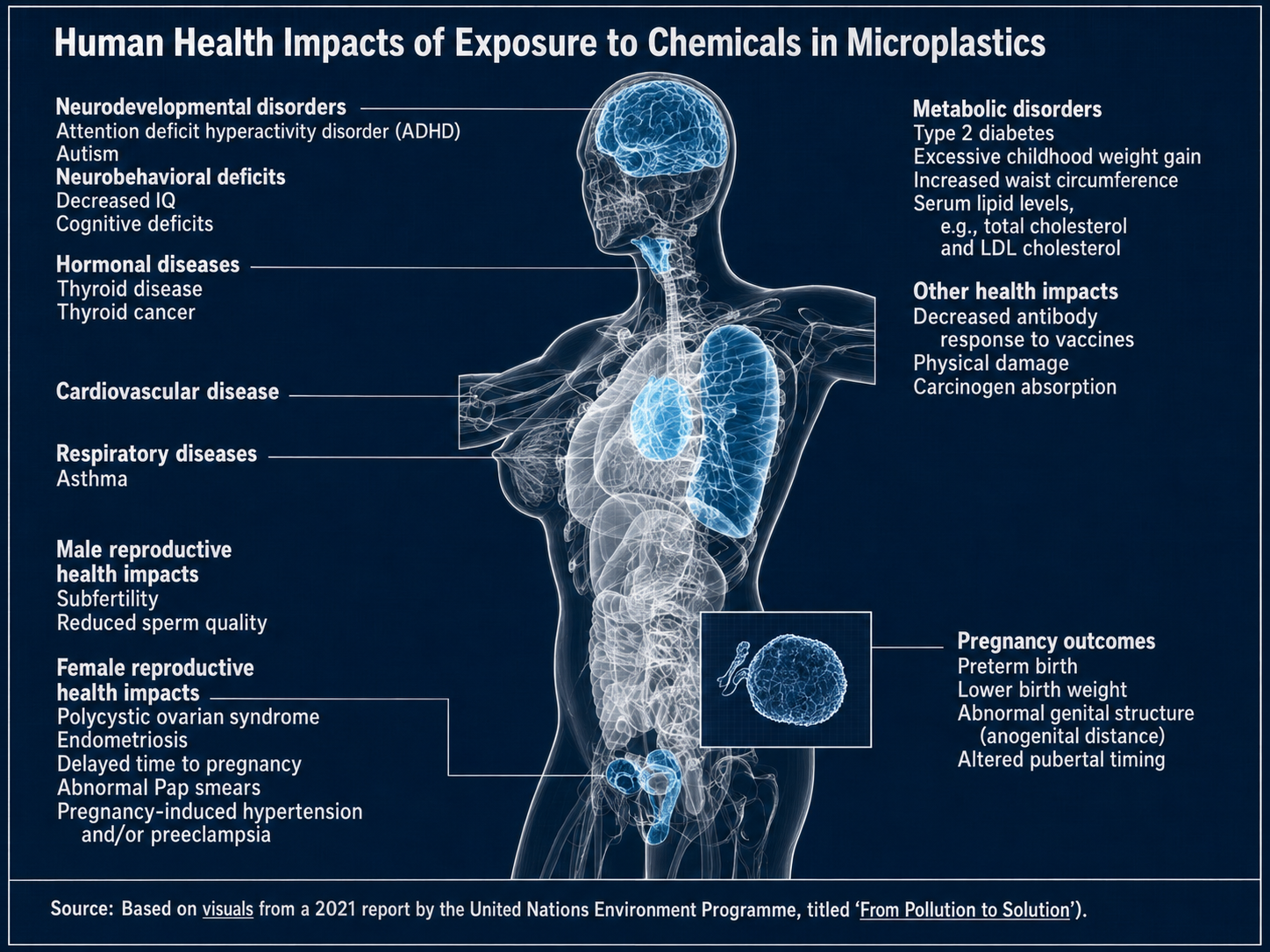
While airborne NMPs research is in its infancy, studies on the inhalation of NMPs show a series of adverse effects along the respiratory tract and beyond, ranging from irritation to the onset of cancer in cases of chronic exposure. These adverse effects include:

  • Immediate asthma-like reactions
  • Inflammatory reactions and fibrotic changes, like chronic bronchitis
  • Lung disorders such as extrinsic allergic alveolitis and chronic pneumonia
  • Pulmonary emphysema
  • The development of interstitial lung diseases resulting in coughing, difficulty breathing, and a reduction in lung capacity.
  • Oxidative stress and the formation of reactive oxygen species (ROS) and thus the ability to damage cells (cytotoxic effects)
  • Autoimmune diseases
Micro and Nano Plastics in the Human Body

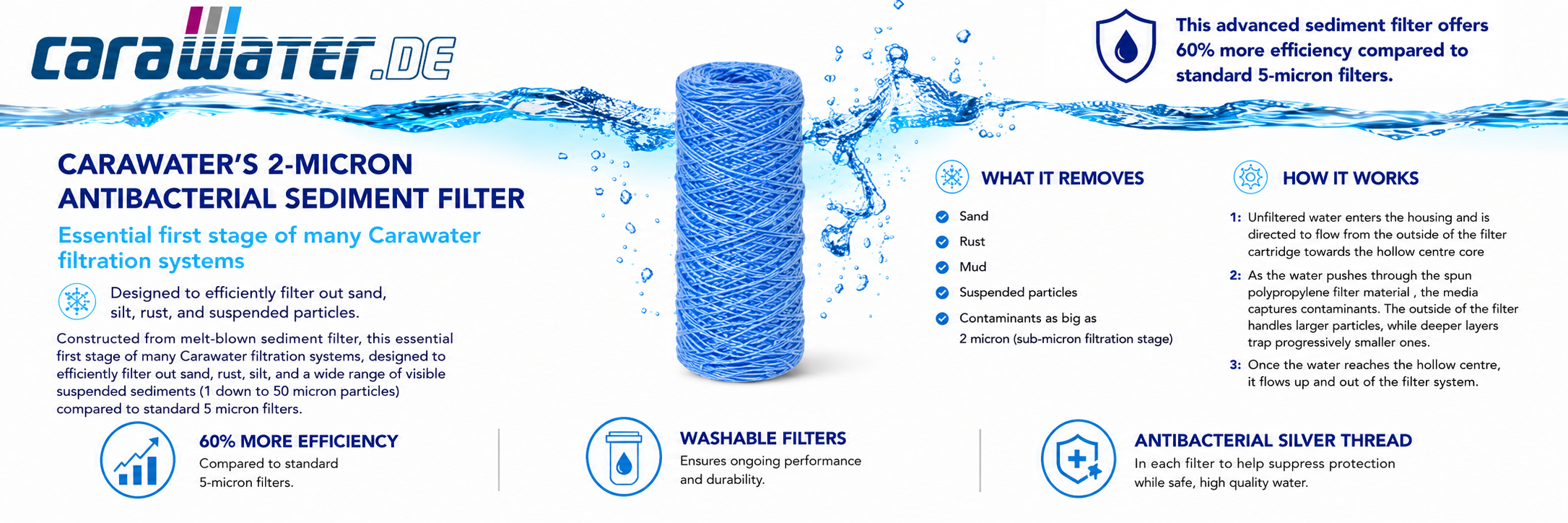
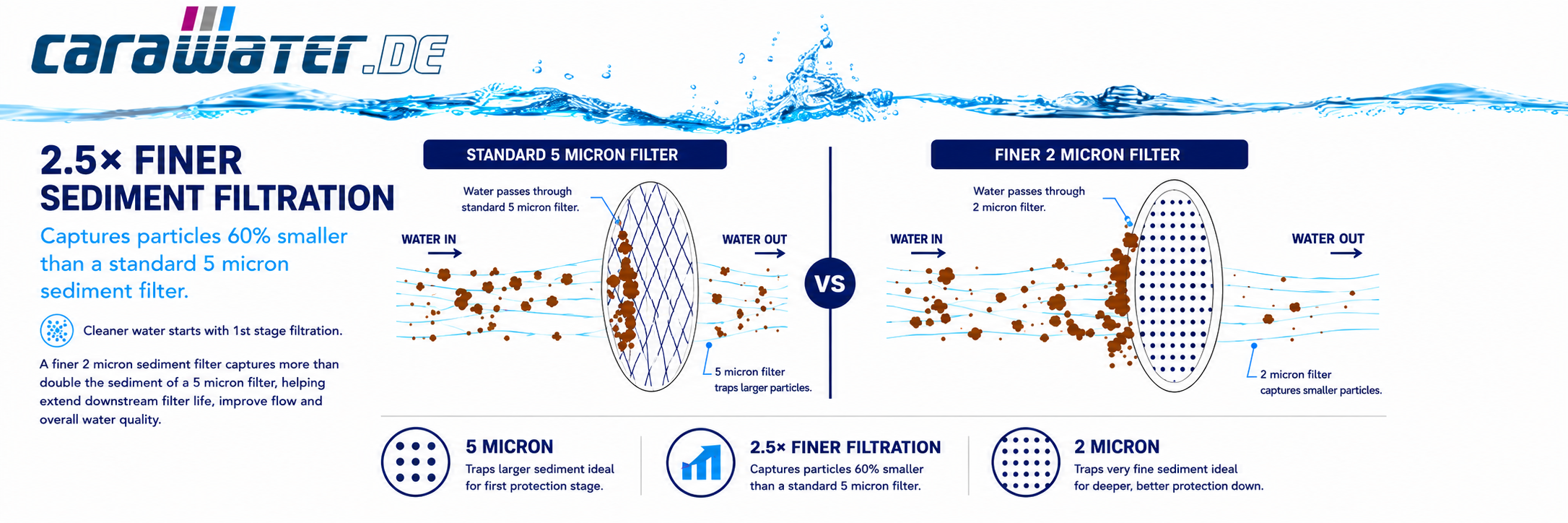
Carawater’s 2-micron antibacterial sediment filter is the essential first stage of many Carawater filtration systems, designed to efficiently filter out sand, rust, mud, and suspended particles. This advanced sediment filter offers 60% more efficiency compared to standard 5-micron filters.

With its superior filtration capability, the Carawater sediment filter prevents 60% more contaminants from clogging or damaging subsequent filtration stages, enhancing both the effectiveness of water filtration systems and their lifespan. This ensures clean, safe and healthy water for a variety of applications, including off-grid water filtration systems, home water purification and mobile water solutions.

To maintain optimal performance and durability, Carawater FILTRADOC PRE SPEED sediment filters are washable. The clear filter housing allows for convenient visual monitoring of contamination levels, making maintenance straightforward and hassle-free. Additionally, every Carawater sediment filtration system includes antibacterial silver thread as a standard feature, providing enhanced protection and ensuring the delivery of safe, high-quality water.

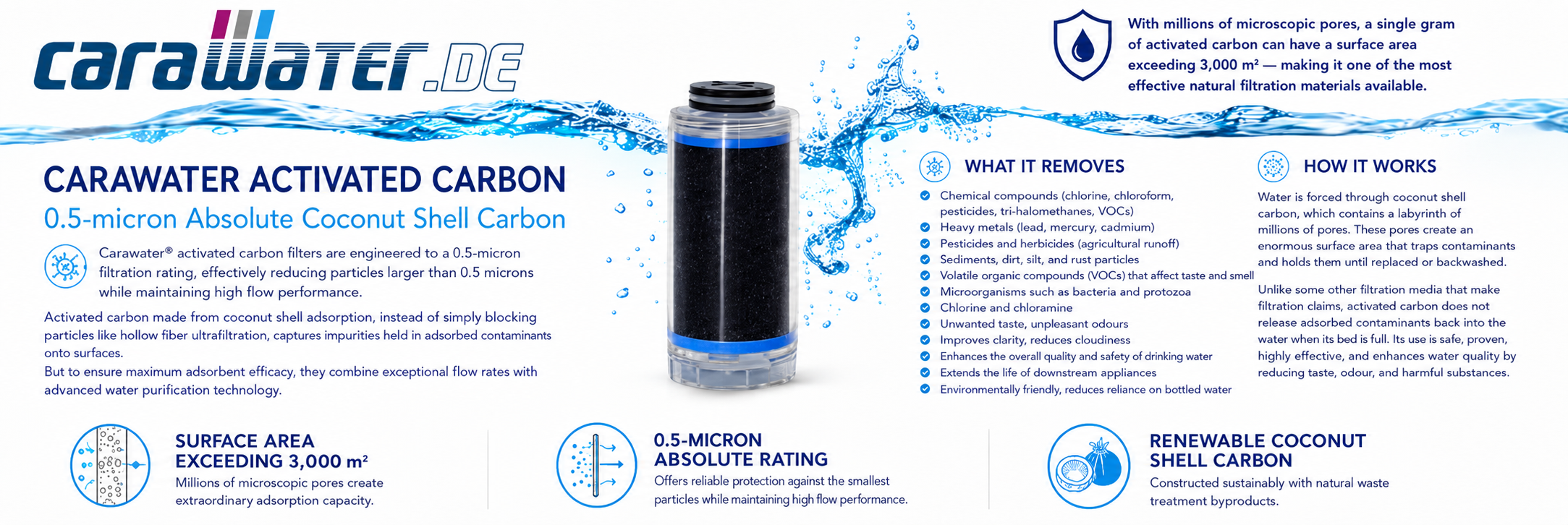
Activated carbon works via a process called adsorption. Instead of simply straining particles, the highly porous structure of the carbon captures and holds dissolved contaminants on its surface. With millions of microscopic pores, a single gram of activated carbon can have a surface area exceeding 3,000 m² — making it one of the most effective natural filtration materials available.

Carawater’s activated carbon filters are engineered to a 0.5-micron absolute rating, offering reliable protection against fine contaminants while maintaining high flow performance. Built from renewable coconut shell carbon, they combine sustainability with advanced water treatment technology.

What it removes

Carawater’s activated carbon is engineered to reduce or remove:

  • Chemical compounds (chlorine, chloramine, pesticides, herbicides, PFAS precursors)
  • Heavy metals (lead, mercury, copper) when paired with carbon block or RO stages
  • Hormones & pharmaceutical residues (trace endocrine disruptors, drug remnants)
  • Volatile organic compounds (VOCs) that affect health and water quality
  • Unpleasant tastes and odours caused by chlorine or natural organics
  • Disinfection by-products from municipal treatment (e.g., trihalomethanes)

How it works

Water is forced through coconut shell carbon, which contains a labyrinth of microscopic pores. These pores adsorb and bind chemical and organic contaminants onto the carbon’s surface while allowing clean water molecules to pass through.

Unlike sediment or ultrafiltration membranes, which physically block particles, activated carbon targets dissolved substances that affect water quality, making it the essential stage for improving taste, odour, and chemical safety.

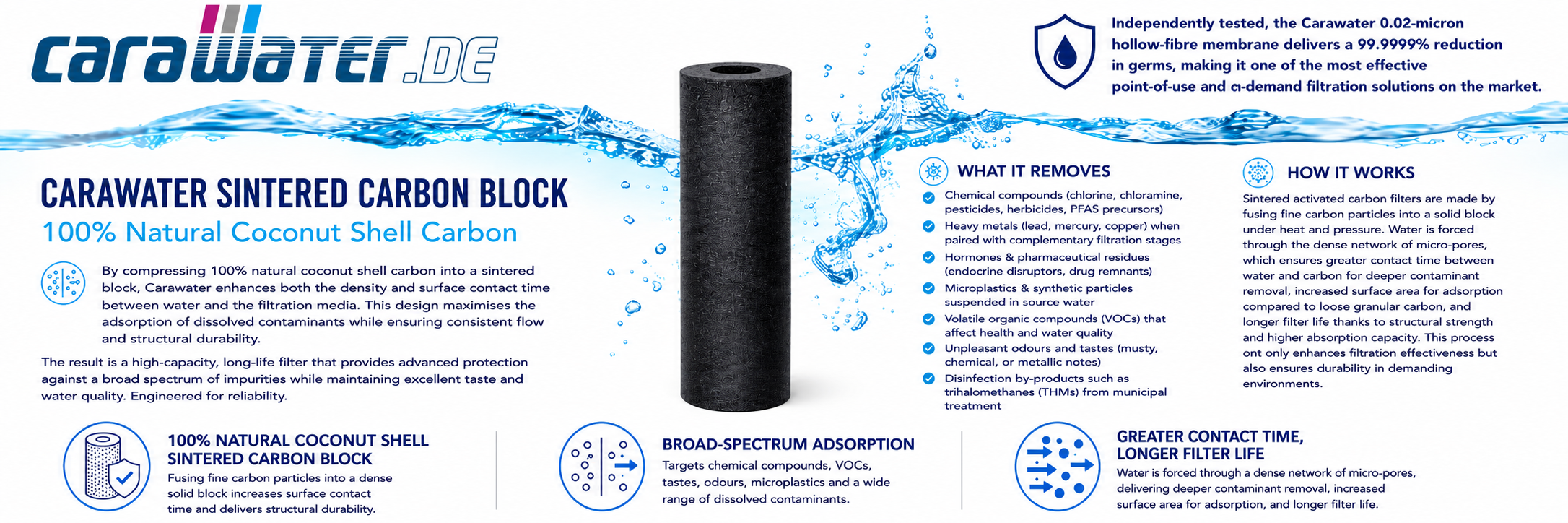
By compressing 100% natural coconut shell carbon into a sintered block, Carawater enhances both the density and surface contact time between water and the filtration media. This design maximises the adsorption of dissolved contaminants while ensuring consistent flow and structural durability.

The result is a high-capacity, long-life filter that provides advanced protection against a broad spectrum of impurities while maintaining excellent taste and water quality. Engineered for reliability.

What it removes

Carawater’s sintered carbon block is engineered to reduce or remove:

  • Chemical compounds (chlorine, chloramine, pesticides, herbicides, PFAS precursors)
  • Heavy metals (lead, mercury, copper) when paired with complementary filtration stages
  • Hormones & pharmaceutical residues (endocrine disruptors, drug remnants)
  • Microplastics & synthetic particles suspended in source water
  • Volatile organic compounds (VOCs) that affect health and water quality
  • Unpleasant odours and tastes (musty, chemical, or metallic notes)
  • Disinfection by-products such as trihalomethanes (THMs) from municipal treatment

How it works

Sintered activated carbon filters are made by fusing fine carbon particles into a solid block under heat and pressure. Water is forced through the dense network of micro-pores, which ensures:

  • Greater contact time between water and carbon for deeper contaminant removal
  • Increased surface area for adsorption compared to lose granular carbon
  • Longer filter life thanks to structural strength and higher absorption capacity

This process not only enhances filtration effectiveness but also ensures durability in demanding environments.

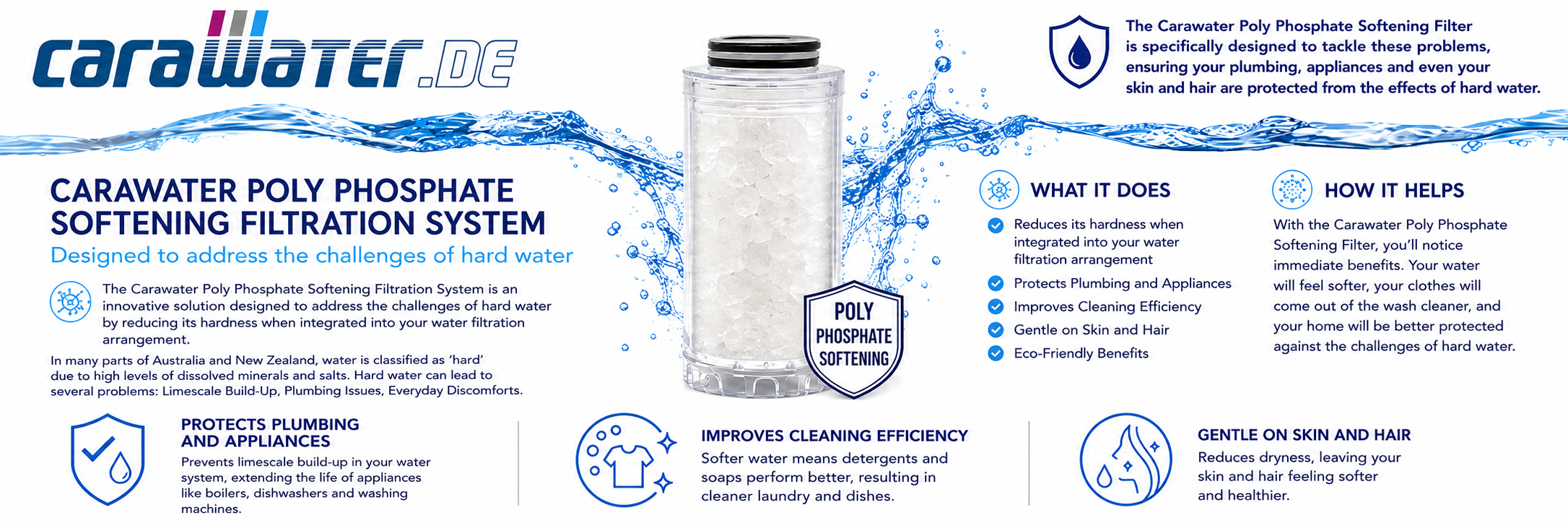
The Carawater Poly Phosphate Softening Filtration System is an innovative solution designed to address the challenges of hard water by reducing its hardness when integrated into your water filtration arrangement.

What Does It Do?

In many parts of Australia and New Zealand, water is classified as ‘hard’ due to high levels of dissolved minerals and salts. Hard water can lead to several problems:

  • Limescale Build-Up: A hard, crusty deposit of minerals precipitated from water that can damage plumbing and appliances.
  • Plumbing Issues: Limescale can clog solenoids, boilers, taps, faucets and showers, causing malfunctions over time.
  • Everyday Discomforts: Hard water contributes to dry hair and skin, spots on glassware and scratchy clothes with fabric stains.

Why Choose the Carawater Poly Phosphate Softening Filter?

The Carawater Poly Phosphate Softening Filter is specifically designed to tackle these problems, ensuring your plumbing, appliances and even your skin and hair are protected from the effects of hard water. Here’s how it helps:

  • Protects Plumbing and Appliances: Prevents limescale build-up in your water system, extending the life of appliances like boilers, dishwashers and washing machines.
  • Improves Cleaning Efficiency: Softer water means detergents and soaps perform better, resulting in cleaner laundry and dishes.
  • Gentle on Skin and Hair: Reduces dryness, leaving your skin and hair feeling softer and healthier.
  • Eco-Friendly Benefits: By improving the efficiency of your water system and reducing the need for harsh cleaning agents, it supports a more sustainable lifestyle.

Experience the Difference

With the Carawater Poly Phosphate Softening Filter, you’ll notice immediate benefits. Your water will feel softer, your clothes will come out of the wash cleaner, and your home will be better protected against the challenges of hard water.

This advanced filtration solution is perfect for use in off-grid systems, caravans, boat  and domestic applications across Australia and New Zealand.

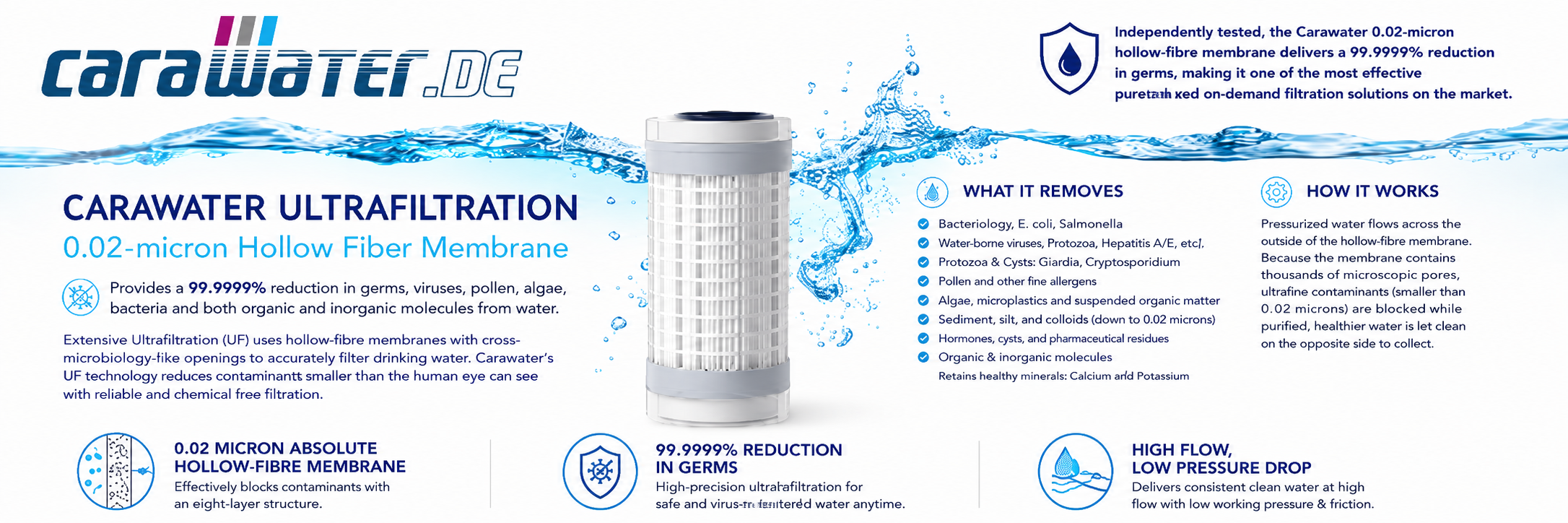
Carawater Ultrafiltration (UF) uses a hollow-fibre membrane with microscopic pores to physically block contaminants while letting clean water pass. Carawater’s UF modules use a 0.02-micron absolute hollow-fibre membrane designed for rugged, mobile, and domestic use.

What it removes

Carawater’s 0.02-micron UF membrane is engineered to reduce or remove:

  • Bacteria (e.g., E. coli, Salmonella)
  • Viruses (size-limited, best paired with UV-C LED)
  • Protozoa & cysts (Giardia, Cryptosporidium)
  • Pollen and other allergens
  • Algae (taste, odour, and toxin-producing organisms)
  • Sediment & turbidity (dirt, sand, rust, colloids)
  • Microplastics and suspended particles
  • Organic & inorganic molecules (natural matter, tannins, some dissolved compounds)

Independently tested, the Carawater 0.02-micron hollow-fibre membrane delivers a 99.9999% reduction in germs, making it one of the most effective pre tank and on demand filtration solutions on the market

How it works

Pressurised water flows along the outside of thousands of hair-thin fibres, clean water passes through the 0.02-micron pores, while larger contaminants are held back on the outside. This outside-in, hollow-fibre design supports high flow with low pressure drop.

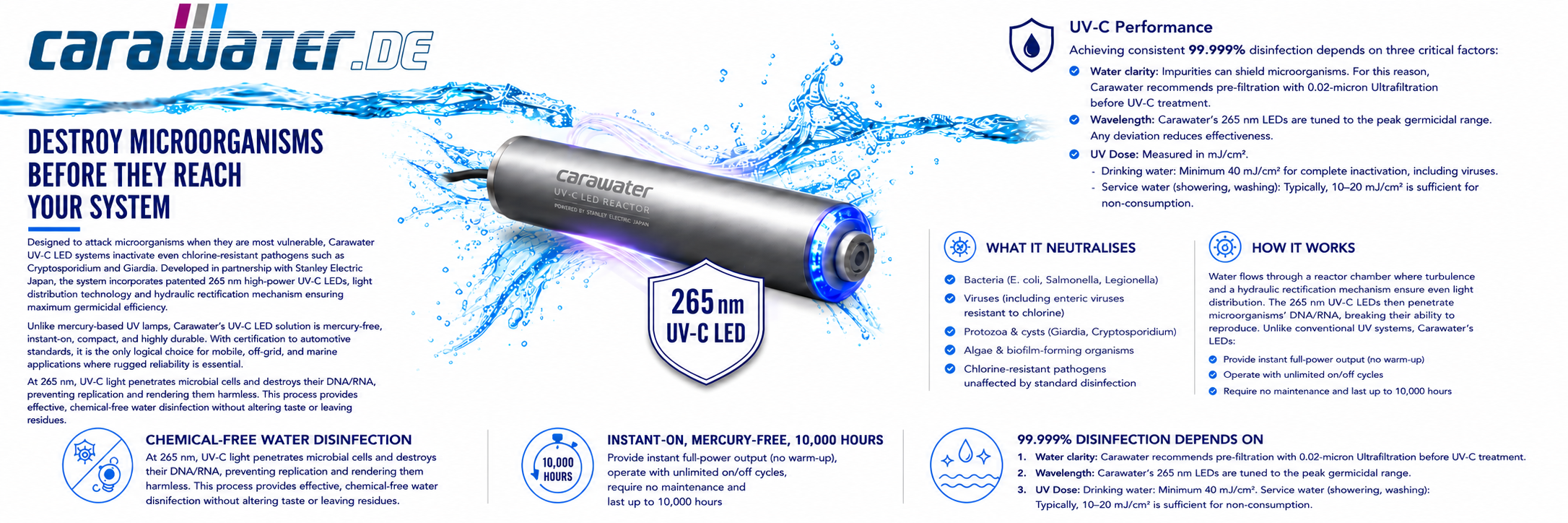
Designed to attack microorganisms when they are most vulnerable, Carawater UV-C LED systems inactivate even chlorine-resistant pathogens such as Cryptosporidium and Giardia. Developed in partnership with Stanley Electric Japan, the system incorporates patented 265 nm high-power UV-C LEDs, light distribution technology and hydraulic rectification mechanism ensuring maximum germicidal efficiency.

Unlike mercury-based UV lamps, Carawater’s UV-C LED solution is mercury-free, instant-on, compact, and highly durable. With certification to automotive standards, it is the only logical choice for mobile, off-grid, and marine applications where rugged reliability is essential.

At 265 nm, UV-C light penetrates microbial cells and destroys their DNA/RNA, preventing replication and rendering them harmless. This process provides effective, chemical-free water disinfection without altering taste or leaving residues.

What it neutralises

Carawater UV-C LED reactors are engineered to inactivate or destroy:

  • Bacteria (E. coli, Salmonella, Legionella)
  • Viruses (including enteric viruses resistant to chlorine)
  • Protozoa & cysts (Giardia, Cryptosporidium)
  • Algae & biofilm-forming organisms
  • Chlorine-resistant pathogens unaffected by standard disinfection

How it works

Water flows through a reactor chamber where turbulence and a hydraulic rectification mechanism ensure even light distribution. The 265 nm UV-C LEDs then penetrate microorganisms’ DNA/RNA, breaking their ability to reproduce. Unlike conventional UV systems, Carawater’s LEDs:

  • Provide instant full-power output (no warm-up)
  • Operate with unlimited on/off cycles
  • Require no maintenance and last up to 10,000 hours

UV-C Performance

Achieving consistent 99.999% disinfection depends on three critical factors:

  1. Water clarity: Impurities can shield microorganisms. For this reason, Carawater recommends pre-filtration with 0.02-micron Ultrafiltration before UV-C treatment.
  2. Wavelength: Carawater’s 265 nm LEDs are tuned to the peak germicidal range. Any deviation reduces effectiveness.
  3. UV Dose: Measured in mJ/cm².
    • Drinking water: Minimum 40 mJ/cm² for complete inactivation, including viruses.
    • Service water (showering, washing): Typically, 10–20 mJ/cm² is sufficient for non-consumption.

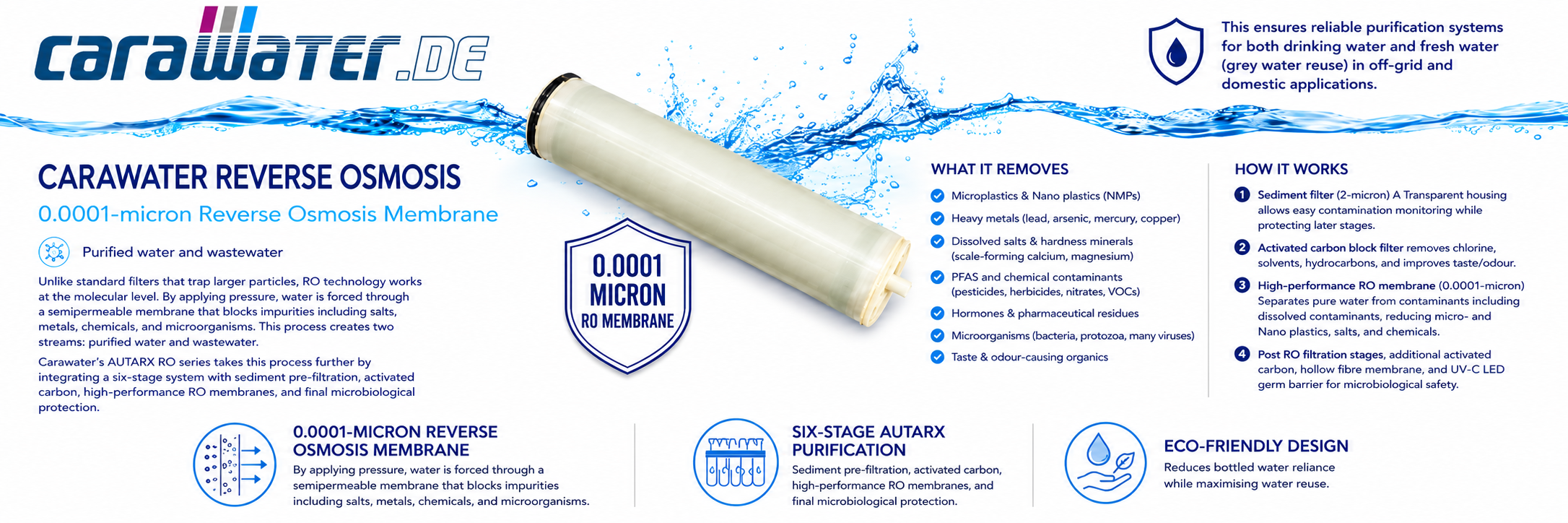
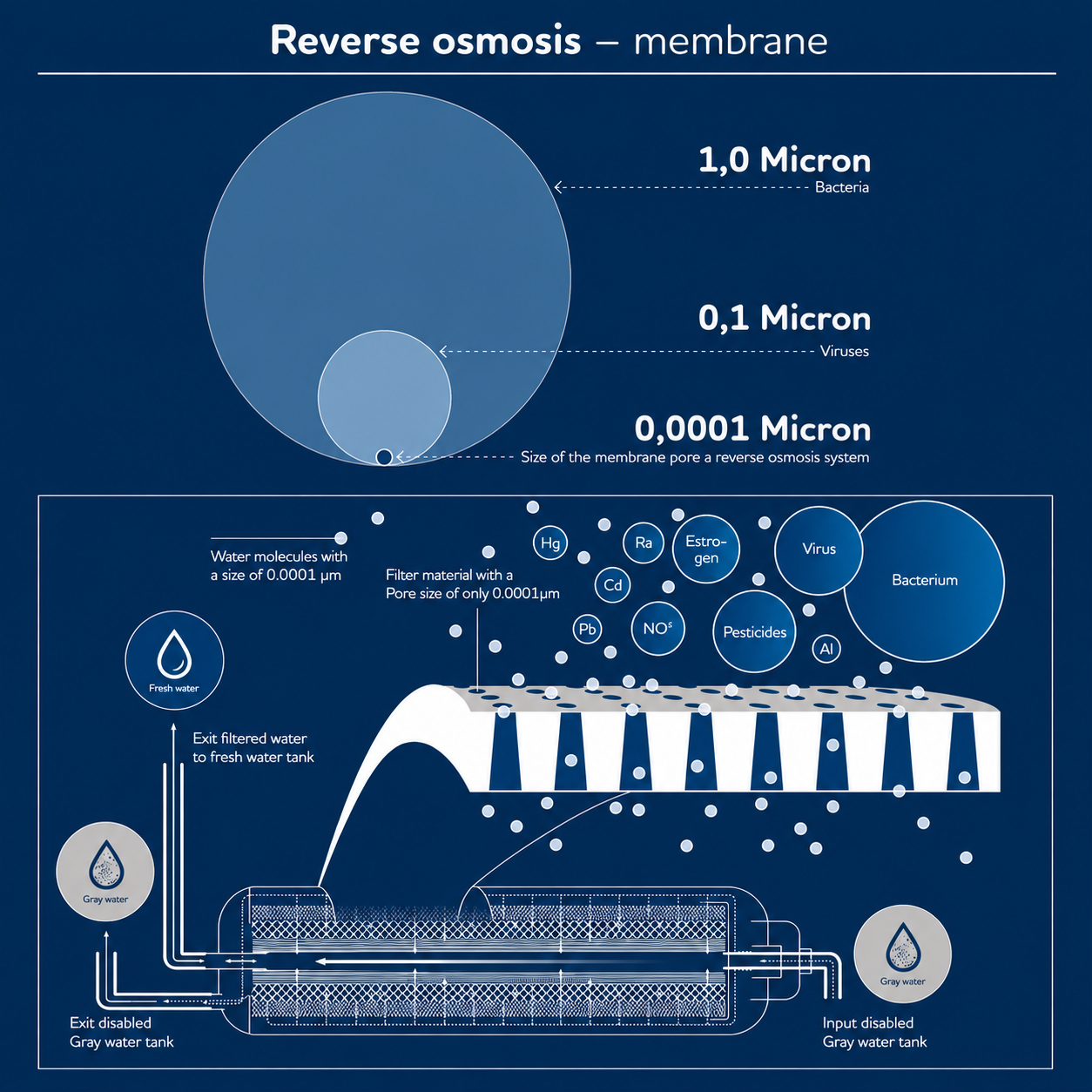
Unlike standard filters that trap larger particles, RO technology works at the molecular level. By applying pressure, water is forced through a semipermeable membrane that blocks impurities including salts, metals, chemicals, and microorganisms. This process creates two streams: purified water and wastewater.

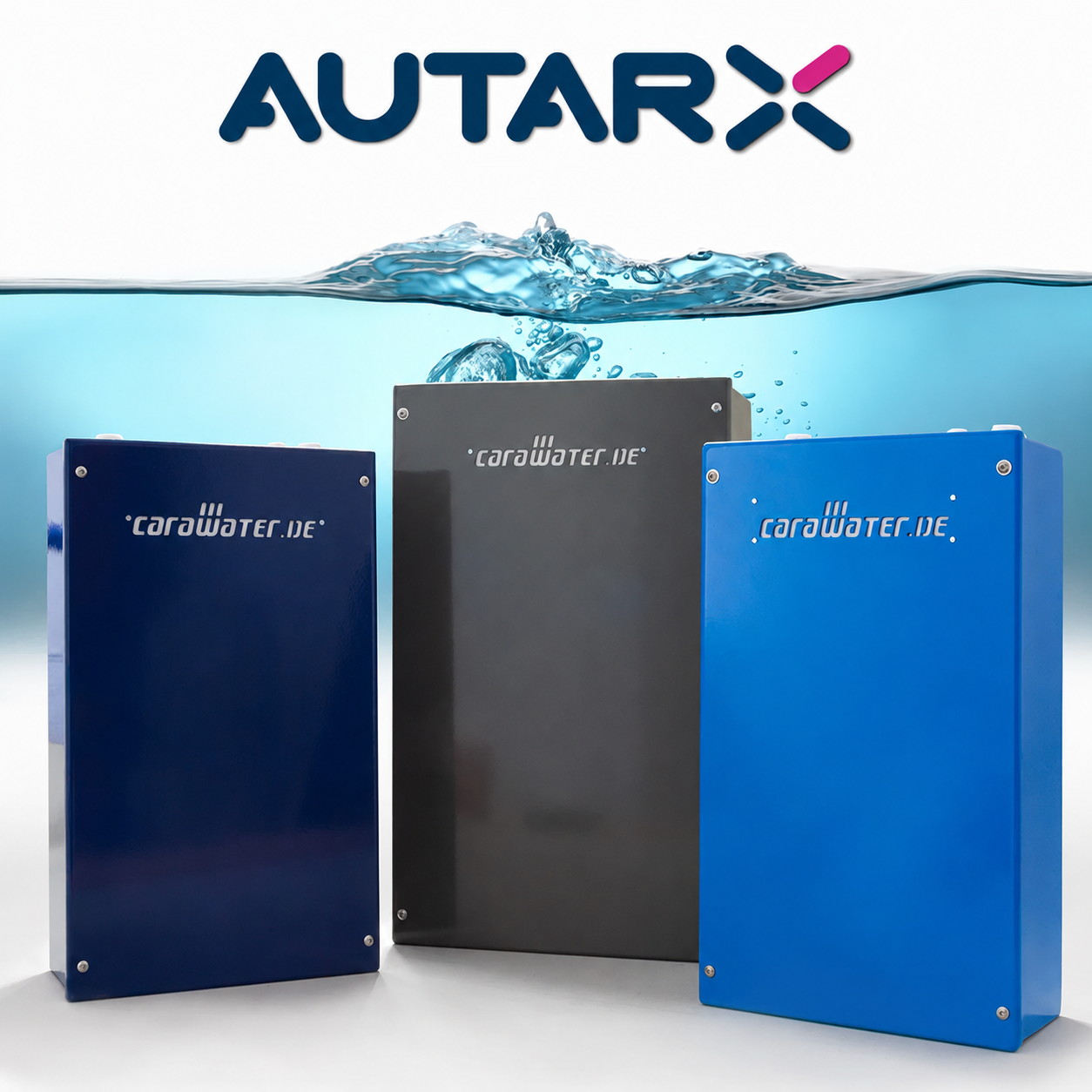
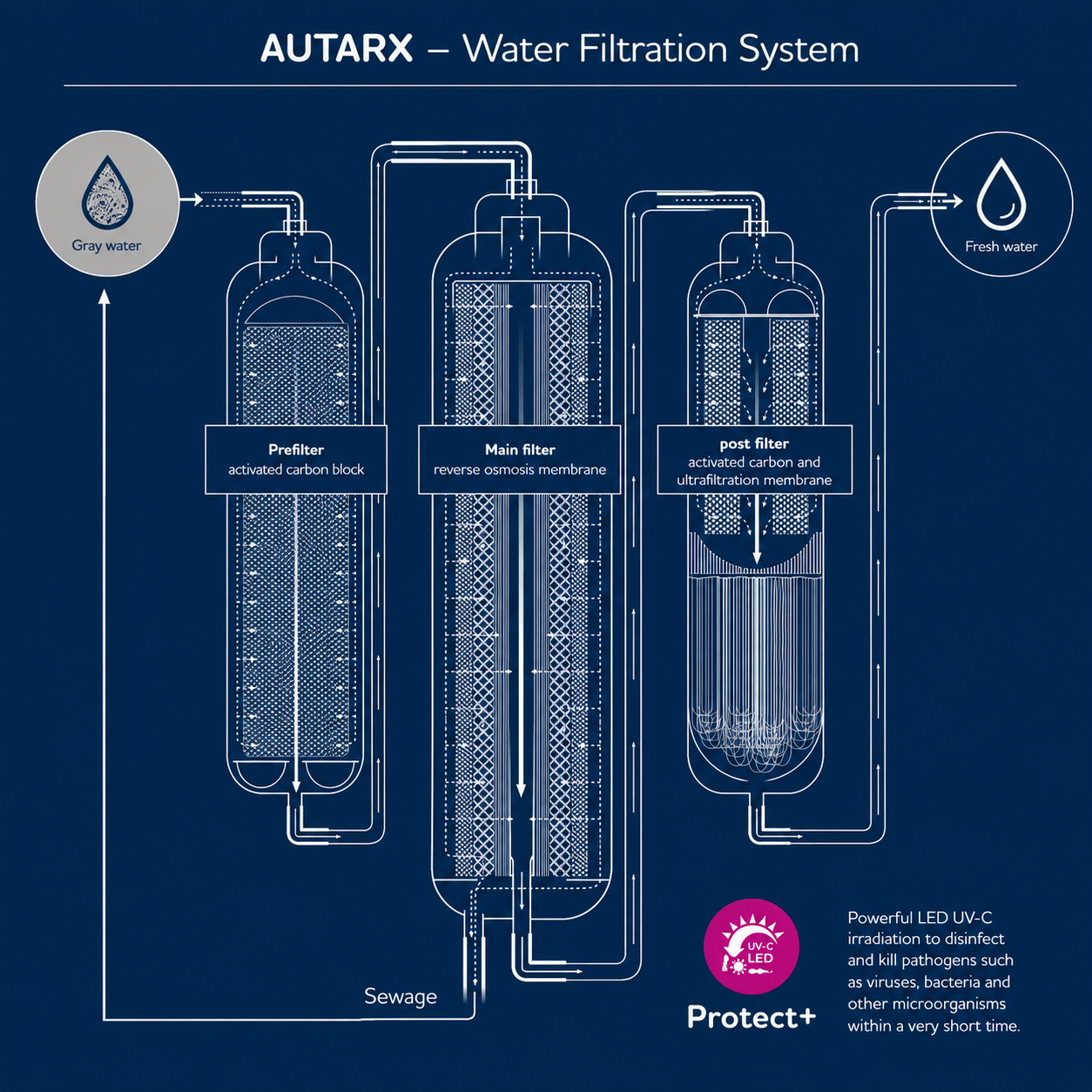
Carawater’s AUTARX RO series takes this process further by integrating a six-stage system with sediment pre-filtration, activated carbon, high-performance RO membranes, and final microbiological protection. This ensures reliable purification systems for both drinking water and fresh water (grey water reuse) in off-grid and domestic applications.

What it removes

Carawater Reverse Osmosis is engineered to remove:

  • Microplastics & Nano plastics (NMPs)
  • Heavy metals (lead, arsenic, mercury, copper)
  • Dissolved salts & hardness minerals (scale-forming calcium, magnesium)
  • PFAS and chemical contaminants (pesticides, herbicides, nitrates, VOCs)
  • Hormones & pharmaceutical residues
  • Microorganisms (bacteria, protozoa, many viruses)
  • Taste & odour-causing organics

How it works

Carawater AUTARX Reverse Osmosis systems are built around a multi-stage treatment chain:

  1. Sediment filter (2-micron) A Transparent housing allows easy contamination monitoring while protecting later stages.
  2. Activated carbon block filter removes chlorine, solvents, hydrocarbons, and improves taste/odour.
  3. High-performance RO membrane (0.0001-micron) Separates pure water from contaminants including dissolved contaminants, reducing micro- and Nano plastics, salts, and chemicals.
  4. Post RO filtration stages, additional activated carbon, hollow fibre membrane, and UV-C LED germ barrier for microbiological safety.

This multi-layer approach ensures water is not only clear and clean but also microbiologically safe for drinking or service use.

Why AUTARX Reverse Osmosis?

  • Dual system options: Dedicated Drinking Water RO modules for residential on demand use and tank filling systems for creating drinking water for storage.
  • Fresh Water RO modules process grey water for safe reuse: Converts shower or basin water into safe fresh water, extending supplies in resource-limited environments.
  • Emotional reassurance with AUTARX Drinking Water: Recognising that some are uncomfortable drinking water from natural or unknown sources.
  • Eco-friendly design: Reduces bottled water reliance while maximising water reuse.