
WHAT IS WHAT WHEN IT COMES TO WATER
Understanding water categories and terms is the foundation of managing safety, comfort and independence whether at home, on the road, on the water or off the grid. Not all water is created equal. Some sources are treated and regulated, while others are raw, unpredictable or even hazardous.
By getting to know these categories, you’ll gain the clarity needed to choose the right Carawater filtration and purification system for your lifestyle and requirements. This knowledge ensures you can make informed decisions, protect your health, and enjoy peace of mind wherever your water comes from.
Read on to explore each water type in detail and discover the right Carawater solution for your needs.
CITY WATER - is pressurised, treated and monitored water supplied by local councils, municipalities, or government authorised providers.
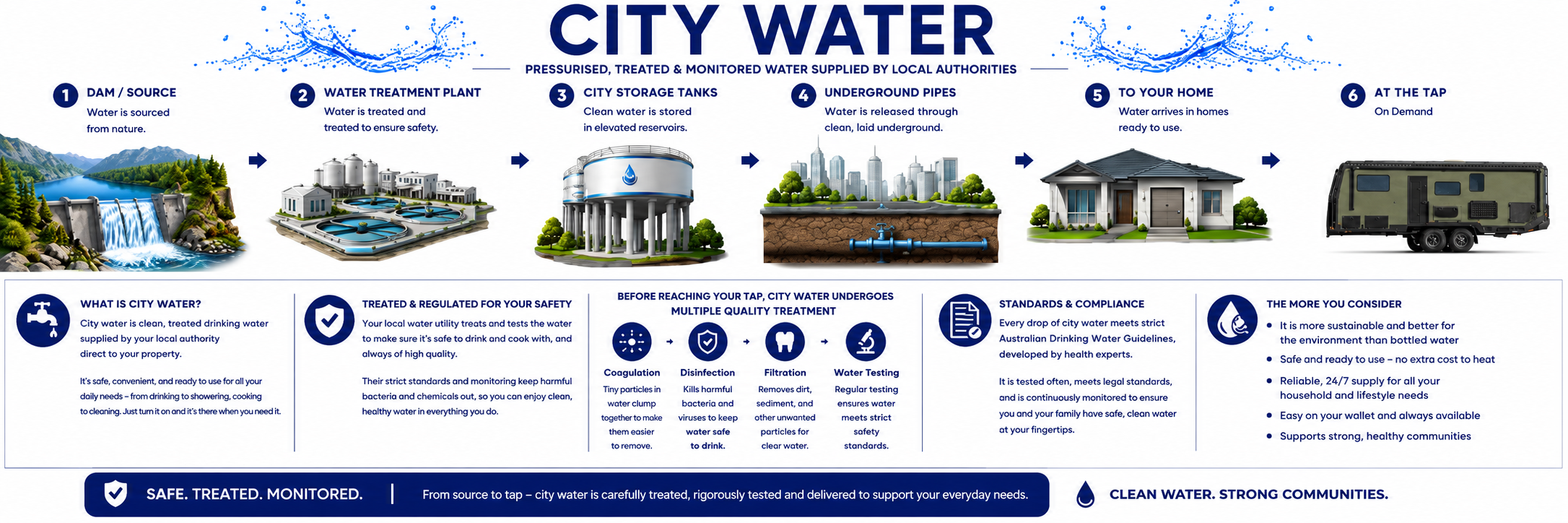
City water is a pressurised water supply provided by local councils, municipalities or government authorised utility providers. This water is delivered directly to homes, businesses including RV parks and fill points, typically via an underground network and is readily available via a tap.
City water is treated and regulated by the local water authority or utility service typically a division of local or state government. These authorities are responsible for sourcing, filtering, disinfecting, and distributing water that meets public health and safety standards.
Before reaching your tap, city water undergoes multiple stages of treatment at a central water treatment plant. These stages often include:
- Coagulation and filtration to remove dirt, silt, and debris
- Disinfection, most commonly with chlorine or chloramine, to kill harmful bacteria and viruses
- Fluoridation in some regions, for dental health
- Regular testing for contaminants like heavy metals, nitrates, and microbial pathogens
In Australia, city water must comply with the Australian Drinking Water Guidelines (ADWG), established by the National Health and Medical Research Council (NHMRC). These guidelines define acceptable levels of microbiological, chemical, and physical parameters to ensure water is safe for human consumption. These guidelines are not legally binding but are widely adopted as the national benchmark, hence why water quality varies as you travel the country.
In New Zealand, the equivalent standards are defined by Taumata Arowai (the water services regulator) under the Drinking Water Standards for New Zealand.
Even though city water is treated to be safe, it can still contain:
- Residual chlorine or chloramine (which can cause odour, taste, and skin irritation)
- Sediment or rust from aging pipes and infrastructure
- Trace amounts of contaminants
- Minerals that cause scaling or damage to appliances
- Bad taste or odours that affect water quality
Using a multi-stage FILTRADOC PRE SPEED or FILTRADOC Filtration system which includes sediment, activated carbon and ultrafiltration filtration ensures improved taste, protection and added peace of mind.
NATURAL SOURCE WATER (FRESH) - refers to any natural fresh water supply collected directly from the environment.
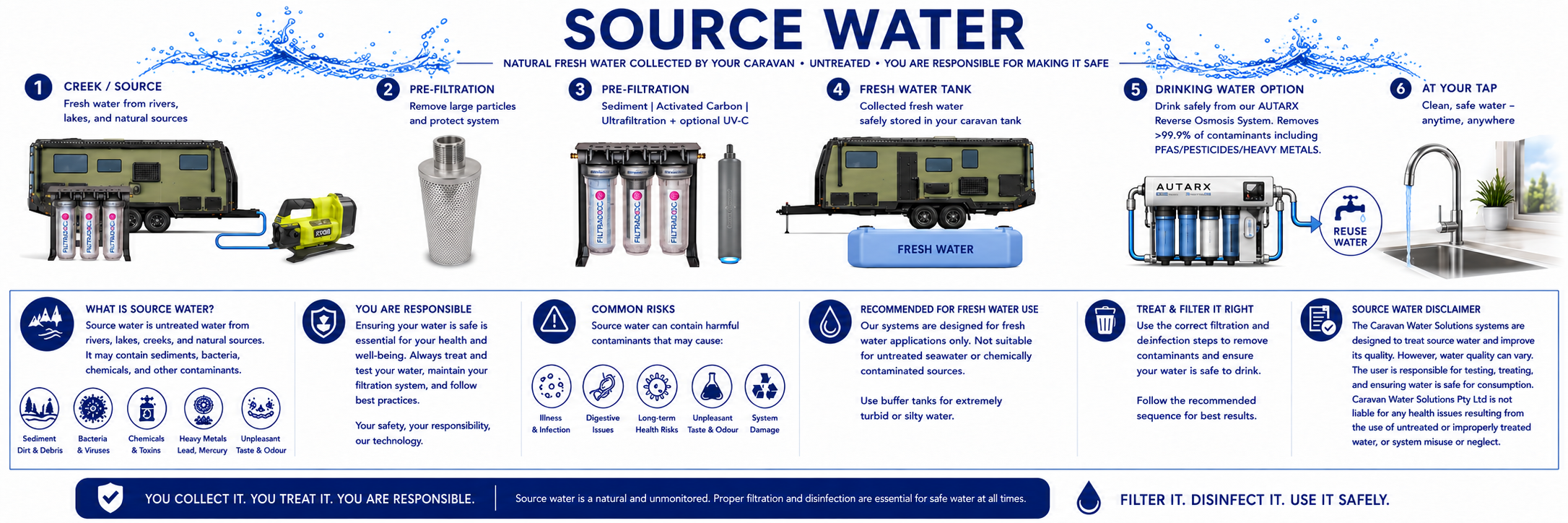
Natural source water refers to any natural fresh water supply collected directly from the environment, including:
- Creeks, rivers, and streams
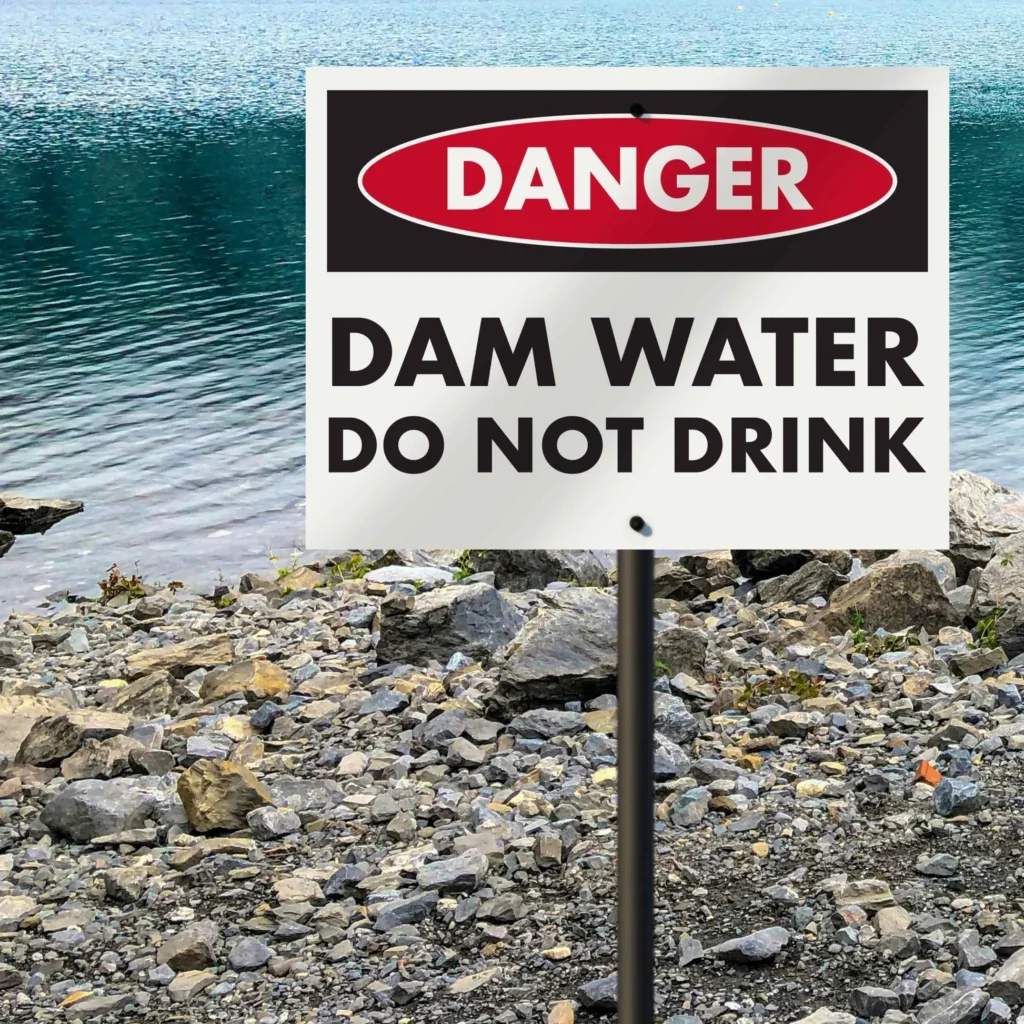
- Dams or reservoirs
- Rainwater tanks
- Bores and wells
- Lakes and ponds
Unlike city water, source water is not treated or monitored by a government authority. It is often accessed in remote, rural, or off-grid locations and may appear clean but can still carry invisible health risks.
You are solely responsible for making it safe. This includes:
- Filtering out physical particles like dirt, sand and leaves
- Removing harmful bacteria, viruses and protozoa
- Eliminating dissolved chemicals or heavy metals depending on the source, especially in the case of bore water
- Disinfecting the water, disabling harmful bacteria, viruses and protozoa
No public health agency or utility is accountable for the quality of untreated fresh source water you collect. Safe water management becomes your responsibility, particularly if used for drinking, cooking, or bathing.
Source water can be unpredictable and often contains:
- Sediment and debris from natural runoff
- Animal or human waste introducing bacteria like E. coli
- Algae, parasites and viruses
- Chemical and heavy metal contaminants
- Tannins and organic matter which may affecting colour and taste
Using a multi-stage FILTRADOC PRE SPEED or FILTRADOC water filtration system including sediment filters, activated carbon and ultrafiltration is essential before using natural source water for fresh (non-drinking) water activities, including showering, especially for sensitive users or children. UV-C disinfection is also highly recommended to disable viruses.
To utilise source water for drinking water we recommend the use of a dedicated AUTAXR Reverse Osmosis system for on demand filtration paired with a FILTRADOC Mineral+ & POINT OF USE UV-C LED or FILTRADOC PROTECT+ UV-C LED Mineral+
Source Water Disclaimer
The Carawater AUTARX system is designed to turn nearly any natural fresh water such as creek, river, lake, rainwater, or bore sources into clean, purified drinking water using advanced multi-stage filtration and UV-C disinfection.
However, some water sources are unsafe by nature and cannot be made drinkable by any filtration system. This includes water contaminated with radioactive material, toxic industrial pollutants, or chemicals outside the system’s removal capacity.
Before use, always ensure that the water source is free from hazardous contamination. If unsure, we recommend having the water tested by a certified laboratory.
Carawater accepts no responsibility for system performance or health outcomes when used with unsuitable or highly polluted water sources
FRESH WATER - refers to clean water that is used for everyday tasks excluding tasks.
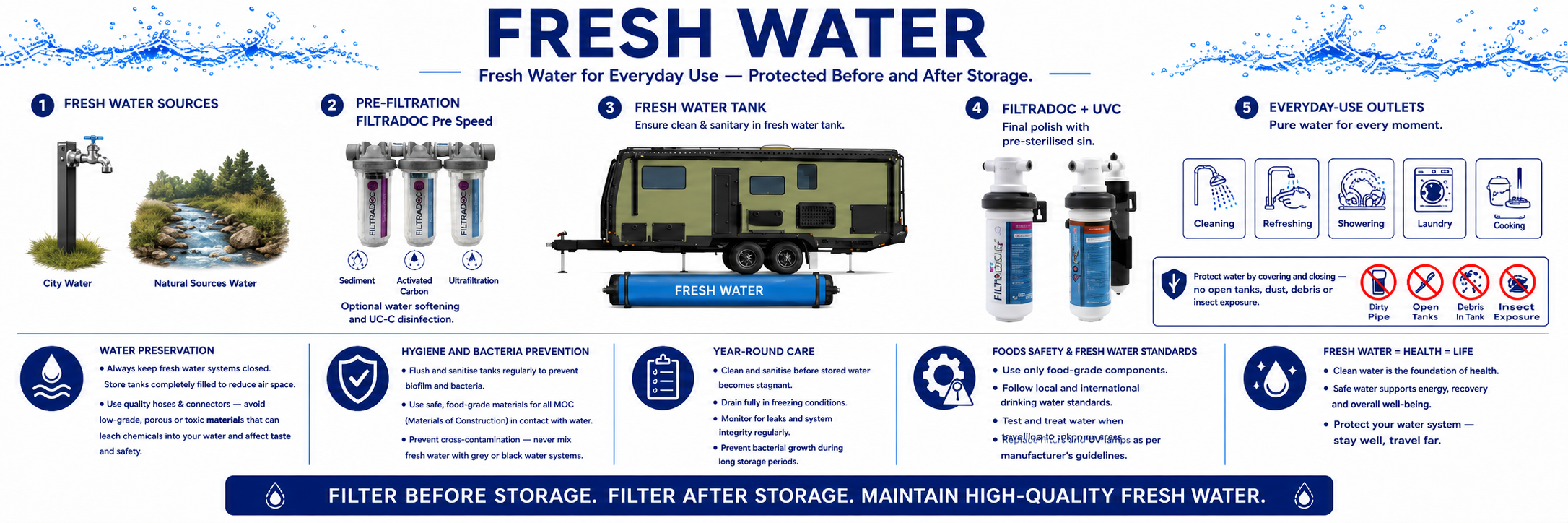
Fresh water refers to clean, filtered water that is used for everyday tasks such as:
- Showering
- Handwashing
- Dishwashing
- Laundry
- General cleaning
Fresh water is not intended for drinking, teeth cleaning, face washing, food preparation or cooking, but it should still be free from harmful contaminants, odours, or discolouration to ensure it is safe for skin contact and daily use.
Fresh water is usually used as required from a city supply or stored in a fresh water tank, either filled from a city water tap or natural fresh water source. It should preferably pass through FILTRADOC PRE SPEED sediment, activated carbon and ultrafiltration and optionally water softening and UV-C disinfection before entering your storage systems.
When stored we then recommend a FILTRADOC or FILTRADOC + UV-C for Post Tank filtration for on demand use to ensure any contamination that may have entered the tank and potentially grown in levels are removed and disabled especially for showering where pathogens can enter through the conjunctiva, the mucous membrane covering the eye or through the nasolacrimal duct which connects the eyes to the nasal cavity.
When using stored fresh water, you are responsible for maintaining the safety of your fresh water. While the water may originally come from a treated or clean source, it can become contaminated in your tanks or pipes without proper care.
Key responsibilities include:
- Ensuring proper pre filtration before tank storage
- Cleaning and sanitising water tanks regularly
- Using safe hoses and connectors when filling and plumbing system
- Preventing bacterial growth during long storage periods
Unlike drinking water, fresh water is not required to meet potable water standards, since it is not consumed. However, it should still be:
- Clear and free of sediment or foul odours
- Safe for contact with skin and surfaces
- Treated to remove bacteria, viruses or contaminants if used for bathing or rinsing food and related items
Poor-quality fresh water can cause:
- Skin irritation or dryness when showering
- Bad smells in your plumbing system
- Stained clothing or dishes
- Biofilm and bacteria build-up in pipes and tanks
- Reduced lifespan of water pumps and appliances
- Possible infections and illnesses
A well designed pre filtration system paired with post tank or point of use filtration system allows you to maintain high quality fresh water, improving comfort, hygiene, and peace of mind especially on long or remote trips.
DRINKING / POTABLE WATER - is water that has been purified to meet safety standards for human consumption.
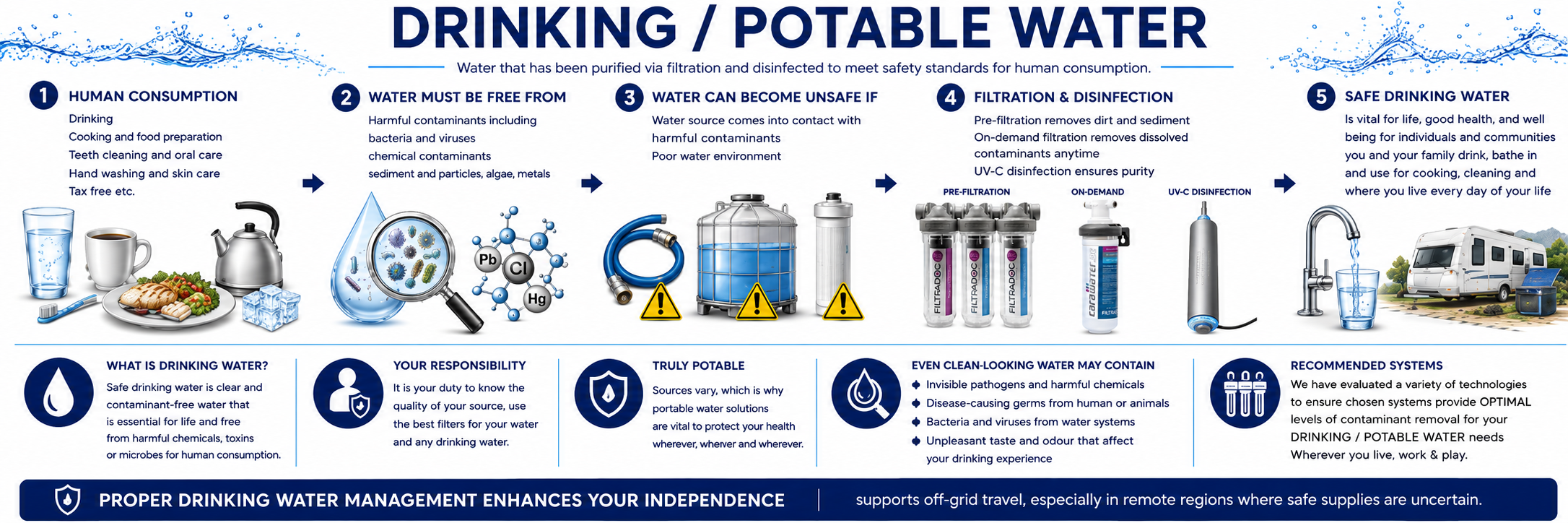
Drinking water, also known as potable water, is water that has been purified via filtration and disinfected to meet safety standards for human consumption activities including.
- Drinking
- Cooking and food preparation
- Teeth cleaning and face washing
- Preparation of beverages (tea, coffee, etc.)
- Ice for drinks
Drinking water must be free from harmful microorganisms including bacteria and viruses, chemical contaminants and excessive minerals or heavy metals.
Regardless of the source, the water should be processed through a suitable filtration and disinfection system to ensure it meets drinking water standards.
When you’re travelling or living off grid, you are responsible for the safety of your drinking water. Even water from a city tap can become unsafe if:
- Your hoses or connectors are contaminated
- Your tanks are contaminated
- Filters are not maintained
Ensuring your water is truly potable means actively managing how it’s collected, filtered, stored, and dispensed.
While standards are legally required for municipal supplies, it’s up to you to ensure your system is capable of meeting or exceeding them.
Even water that looks and smells clean may contain:
- Invisible pathogens from contaminated sources
- Chlorine and by-products from municipal supplies
- Plastic particles, rust, or chemical residue
- Unpleasant tastes and odours that affect your drinking experience
Using a multi stage pre filtration system or dedicated Reverse Osmosis system ensures your drinking water is safe, pleasant to taste and use and reliable, regardless of where you’re travelling or sourcing water.
Proper drinking water management enhances your independence and supports off-grid travel, especially in remote regions where safe supplies are uncertain.
To utilise natural source water for drinking water we recommend the use of a dedicated AUTARX Reverse Osmosis system for pre or post tank filtration and FILTRADOC Mineral+ & Point Of Use LED UV-C or FILTRADOC PROTECT+ UV-C (Mineral +) for Post Tank Filtration.
GREY WATER - is used water that drains from your shower, bathroom sink, kitchen sink and washing machine.
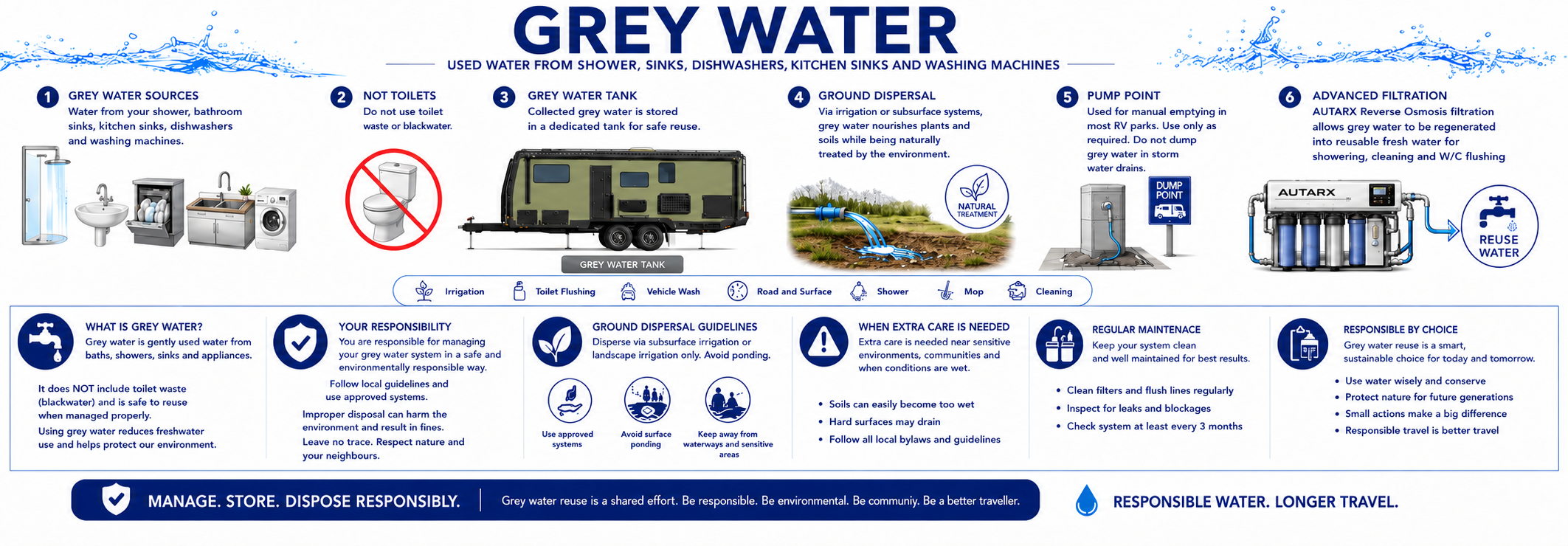
Grey water is used water that drains from your shower, bathroom sink, dish washer, kitchen sink and washing machine.
It does not include water from toilets. While grey water may look relatively clean, it contains soaps, detergents, body oils, food particles, grease, hair, and bacteria. If untreated or improperly stored, grey water can quickly become unhygienic and odorous.
In mobile platforms It is collected in a dedicated grey water tank or drained directly into a suitable disposal point. In remote camping areas of Australia, grey water can usually be dispersed onto the ground (Ground Dispersal), but with strict guidelines. It’s crucial to use biodegradable detergents, avoid natural watercourses, and consider the surrounding environment and others. Stored grey water, especially if it’s older than 24 hours, should be treated like black water and disposed of at designated dump points.
You are fully responsible for managing, storing, and disposing of your grey water in compliance with:
- Local regulations (councils, national parks and camp grounds inc. free camps)
- Environmental best practices
- Health and hygiene guidelines
Improper grey water disposal can lead to fines, environmental damage, and health hazards. Even if grey water appears clean, it can attract insects, produce bad smells, and contaminate soil or waterways if not handled correctly.
While there are no mandatory treatment standards for grey water, some regions such as National Parks or eco campgrounds may require:
- Self-contained grey water tanks
- No ground discharge policies
- Certified grey water safe cleaning products
Treating grey water using the advanced AUTARX Reverse Osmosis system allows grey water to be regenerated and reused for fresh water activities, helping you travel longer without refilling or dumping.
BLACK WATER - is the wastewater from your toilet, containing human waste and toilet paper.
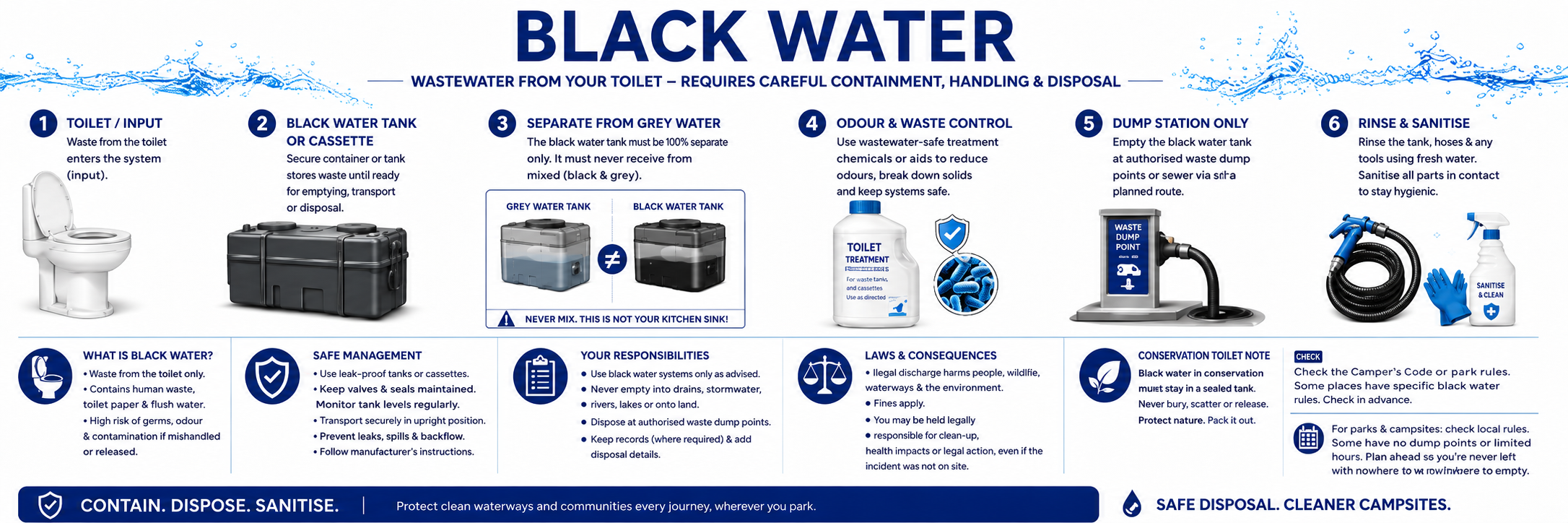
Black water is the wastewater from your toilet, containing human waste and toilet paper. It is the most hazardous waste type and requires careful containment, handling, and disposal.
Any waste flushed down your toilet enters the black water holding tank or cassette. This is entirely separate from your grey water tank and must be emptied only at authorised black water dump points. In cases where the grey and black water tank is combined it is to be treated black water.
You are legally and ethically responsible for managing black water safely. This includes:
- Using appropriate toilet chemicals or biological treatments to control odour and breakdown waste
- Emptying the black tank at dedicated dump stations
- Rinsing and sanitising tanks and hoses regularly to prevent contamination
- Wearing gloves and following hygienic practices during disposal
While black water management is not regulated under drinking water standards, local environmental and sanitation laws apply. Illegal dumping of black water can lead to:
- Fines or legal penalties
- Environmental damage
- Closure of sites to RVs
Many parks and camping areas require self-contained certification or evidence of a working black water system before entry is allowed.
Black water is not suitable for filtration or reuse, some advanced systems such as composting or incineration toilets aim to reduce or eliminate black water altogether.
Note: If you utilise a composting toilet, you should not dump composting solids in nature or at unapproved sites. Disposal must occur at a designated dump point or by bagging and disposing via regular rubbish, in line with park or council rules.
A minimum of 6 months is generally recommended, but 12 months is often cited as a safer, more reliable period for complete decomposition. Once composted, the material should be buried in the ground with a sufficient soil cover (e.g., 300mm). It’s generally not recommended to use the compost on edible plants unless fully composted for at least a year.
WHAT IS THE DIFFERENCE BETWEEN WATER FILTRATION AND PURIFICATION
Clean, safe water is essential for drinking, bathing, laundry, and more. Understanding the difference between filtration and purification is key to choosing the right systems for your needs.
The two terms, filtration and purification, are often used synonymously but they have very different meanings, what’s what: The easiest way to understand the difference between filtered and purified water is to know that:
ALL PURIFIED WATER IS FILTERED BUT NOT ALL FILTERED WATER IS PURIFIED
FILTERED WATER – Is Water That Is Not Consumed In Its Use. It Is Fresh Water
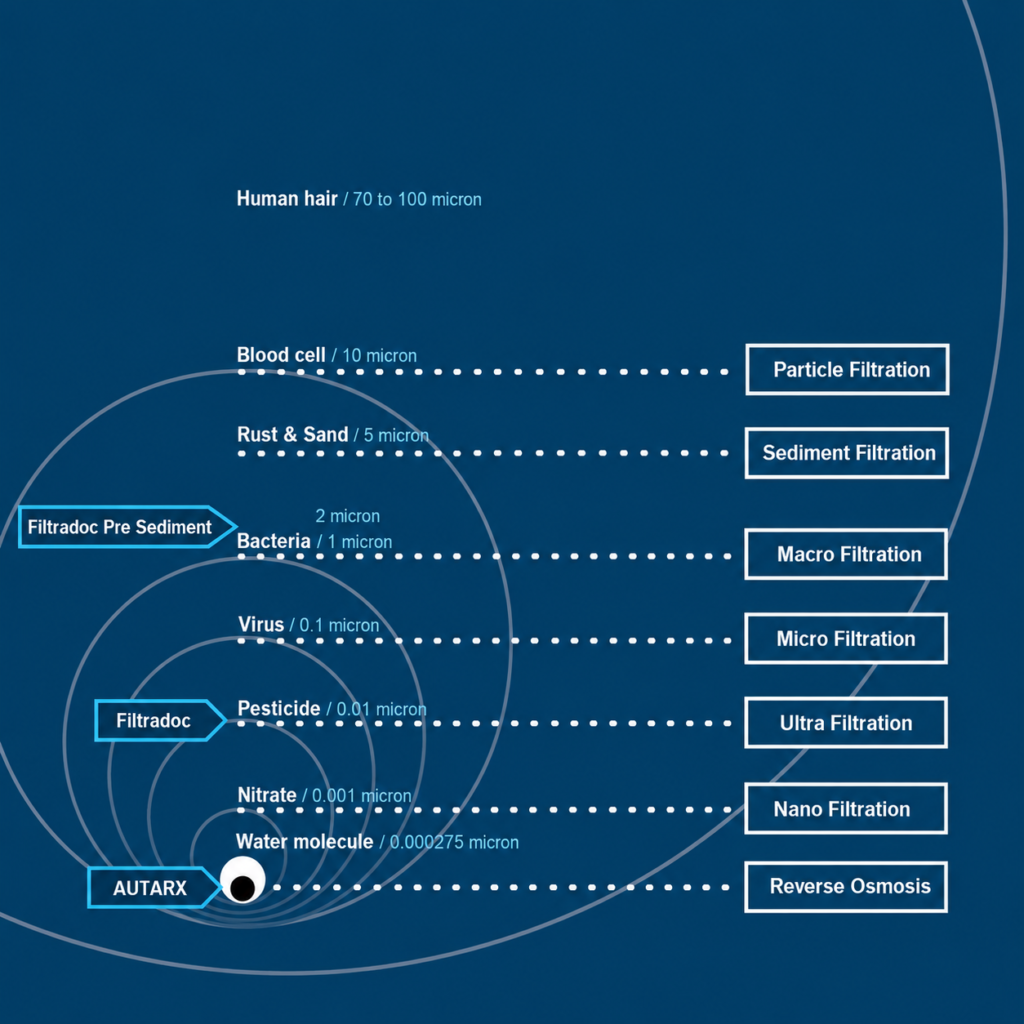
Fresh “Filtered” water is not consumed directly but is treated to remove visible particles, sediment, and odours. This process improves taste and appearance using methods like activated carbon, ceramic, and sediment filters. Filters typically range between 1-micon and 5-micron.
A 1-micron filter is considered macro filtration meaning it may capture some bacteria, especially larger ones, but not all. Most bacteria range from 0.2-microns to 10-microns in size, but many common pathogenic bacteria like E. coli can be as small as 0.2-microns to 0.5-microns.
Viruses are much smaller in the 0.02-microns to 0.3-micron range
Carawater filtration systems include Absolute Ultrafiltration at 0.02-microns and Reverse Osmosis at 0.0001-microns
PURIFIED WATER – Is Water That Is Consumed. Potable Or Drinking Water
Purified water is potable, made pure by removing contaminants like bacteria, viruses, dissolved chemicals, metals and salts.
Common methods include Ultra Filtration, Reverse Osmosis, and UV-C Light disinfection. Purified water is free from anything that debases, pollutes, or contaminates.
To achieve the purist water AUTARX Reverse Osmosis removes all contaminates down to 0.0001 microns. Healthy minerals and Alkalinity are replaced via the FILRADOC Mineral+ or FILTRADOC PROTECT+ UV-C (Mineral +) systems.
UNDERSTANDING MICRONS AND WATER FILTRATION
A micron (µm) measures particle (contaminate) size or filter pore size. The smaller the micron rating the smaller the contaminant and the finer the filter pore and the greater the filtration efficiency.
Filters work like strainers or colanders. As pore size gets smaller, fewer types of germs and chemicals get through the filter
In water filtration, the terms nominal and absolute refer to the precision of the filter’s pore size, in other words, how effectively it can block particles of a specific size.
Nominal Micron Rating
- Indicates that the filter will remove approximately a certain percentage (typically 60% to 95%) of particles at or above the stated micron size.
- Filters with a nominal or mean pore size of 1 micron have an average pore size of 1 micron. This means that some pores are smaller and some pores are larger than 1 micron. These filters will let some things that are bigger than 1 micron through the larger holes.
- Common in basic, inexpensive filters
Absolute Micron Rating
- Means the filter is designed to remove ≥99.9% of all particles at the rated micron size or larger.
- For example, if a filter has an absolute pore size of 1 micron, each one of the filter’s pores is 1 micron or smaller. This means that anything larger than 1 micron will be caught in the filter and removed from the filtered water., including pathogens like Giardia and Cryptosporidium cysts.
- Carawater’s Absolute Micron Ratings range from 2-microns for sediment filtration to 0.0001-microns for reverse osmosis, ensuring capability and peace of mind.
IS TAP WATER SAFE?
In Australia and New Zealand, public tap water is described as “perfectly safe to drink.”
However, “perfectly” is a strong word that warrants further examination.
Is tap water generally safe to drink? Yes.
Is it free from contaminants and impurities? Definitely not!
THE SHIFT IN TRUST - the issuing of public warnings is not uncommon today unfortunately
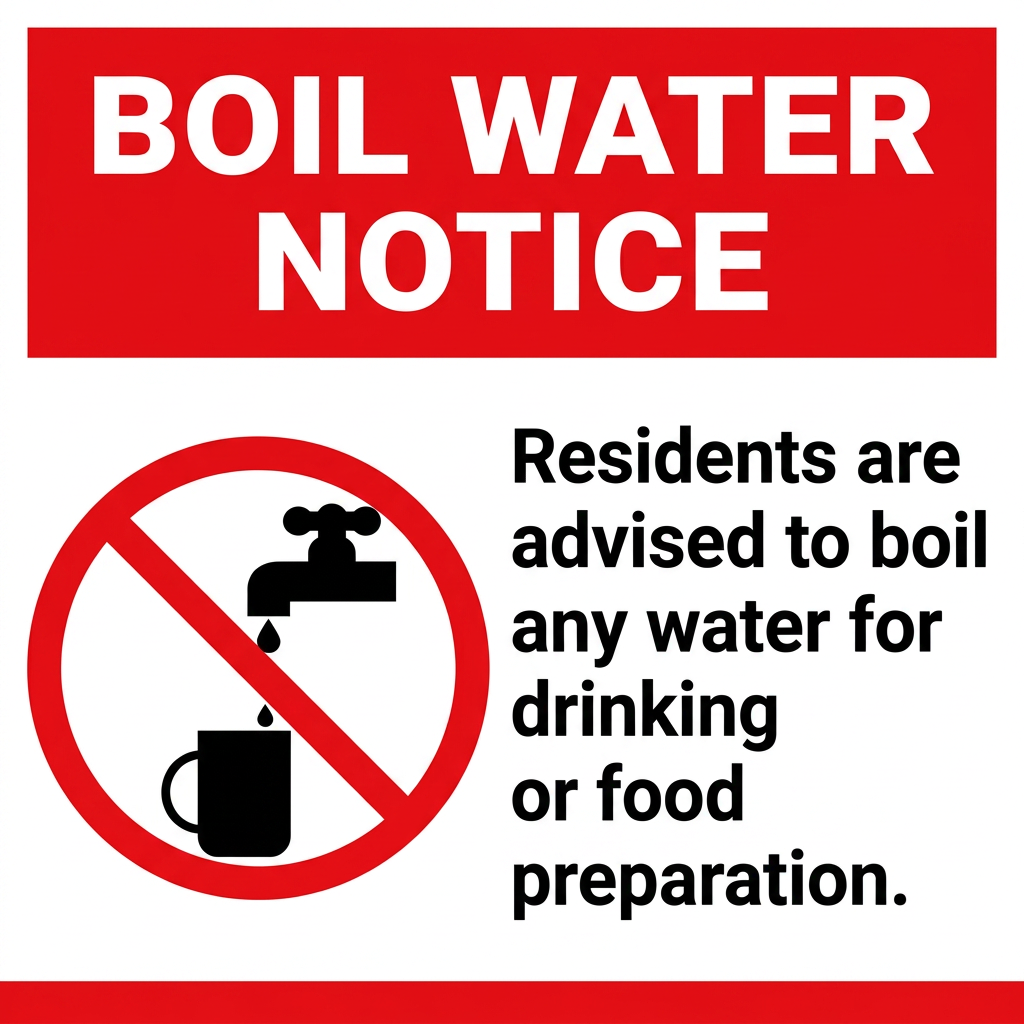
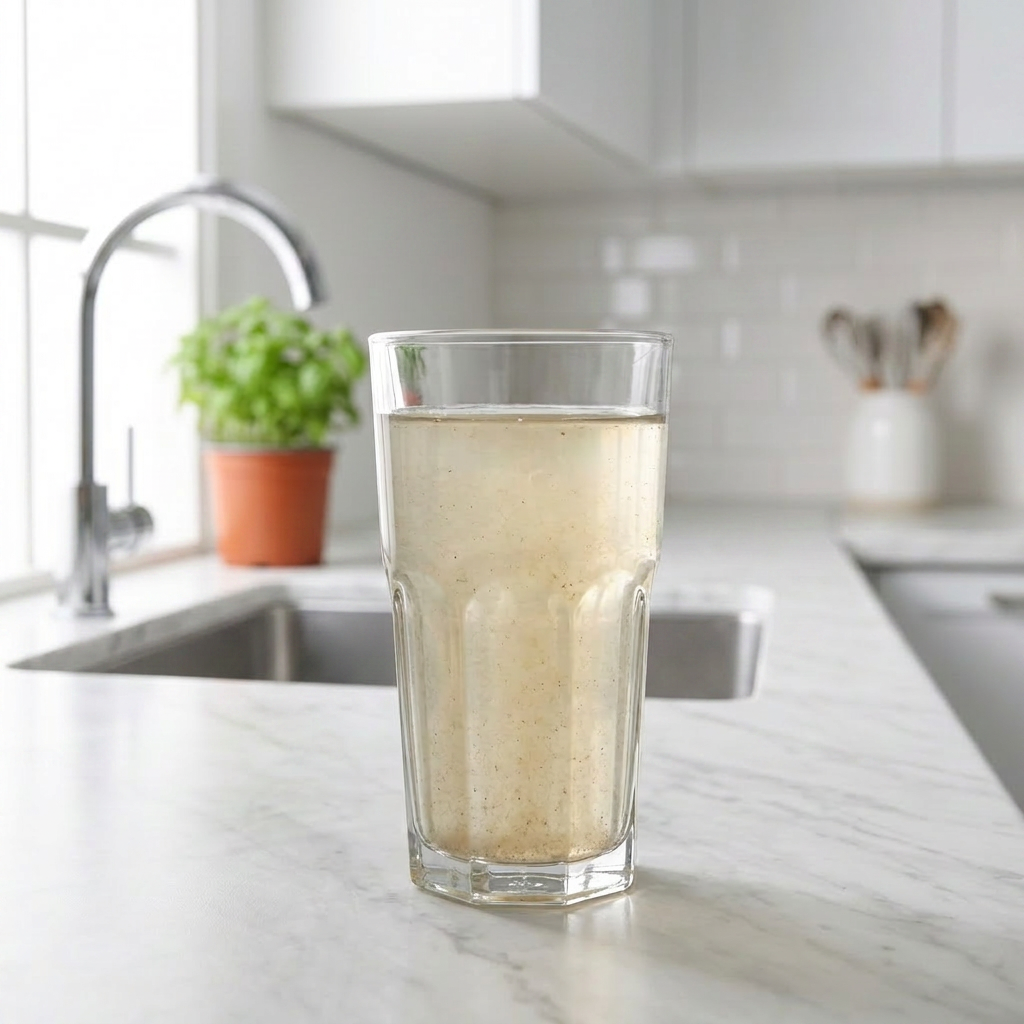
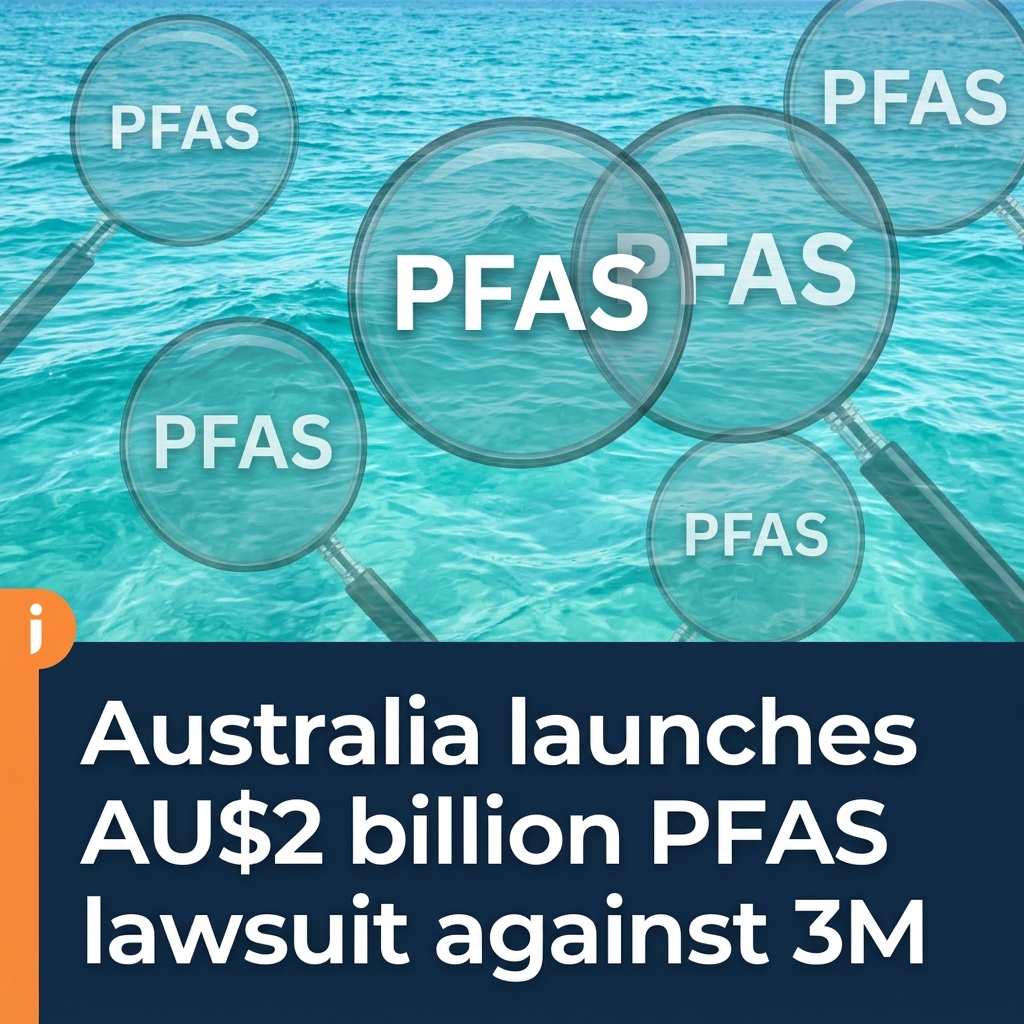
Trust in municipally supplied water in Australia and New Zealand has been declining. Contamination incidents, such as PFAS contamination in Australia and nitrate pollution in rural New Zealand, have raised public awareness of water safety issues. Additionally, challenges in remote areas or during travel exacerbate risks.
MONITORING & REGULATION GAPS - Australian Drinking Water Guidelines (ADWG) guidelines list over 200 specific contaminants with recommended limits.
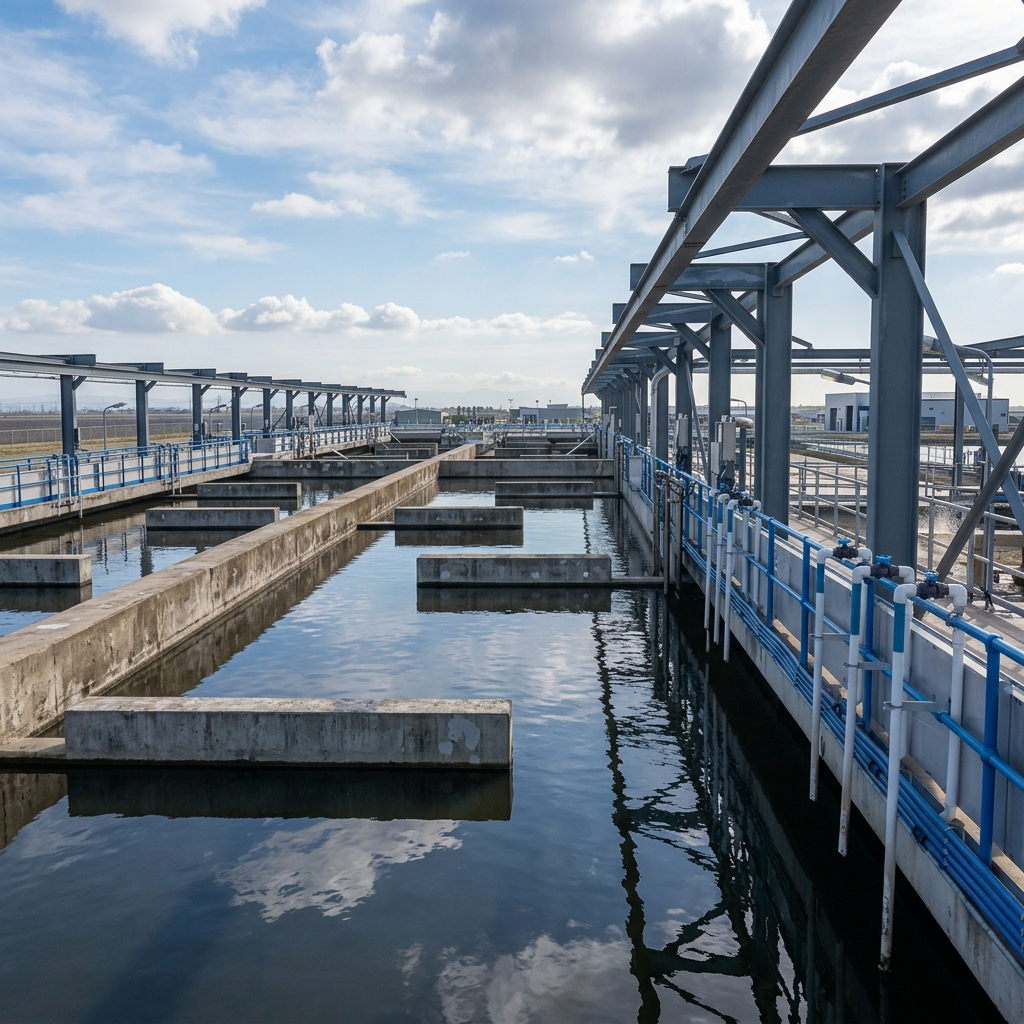
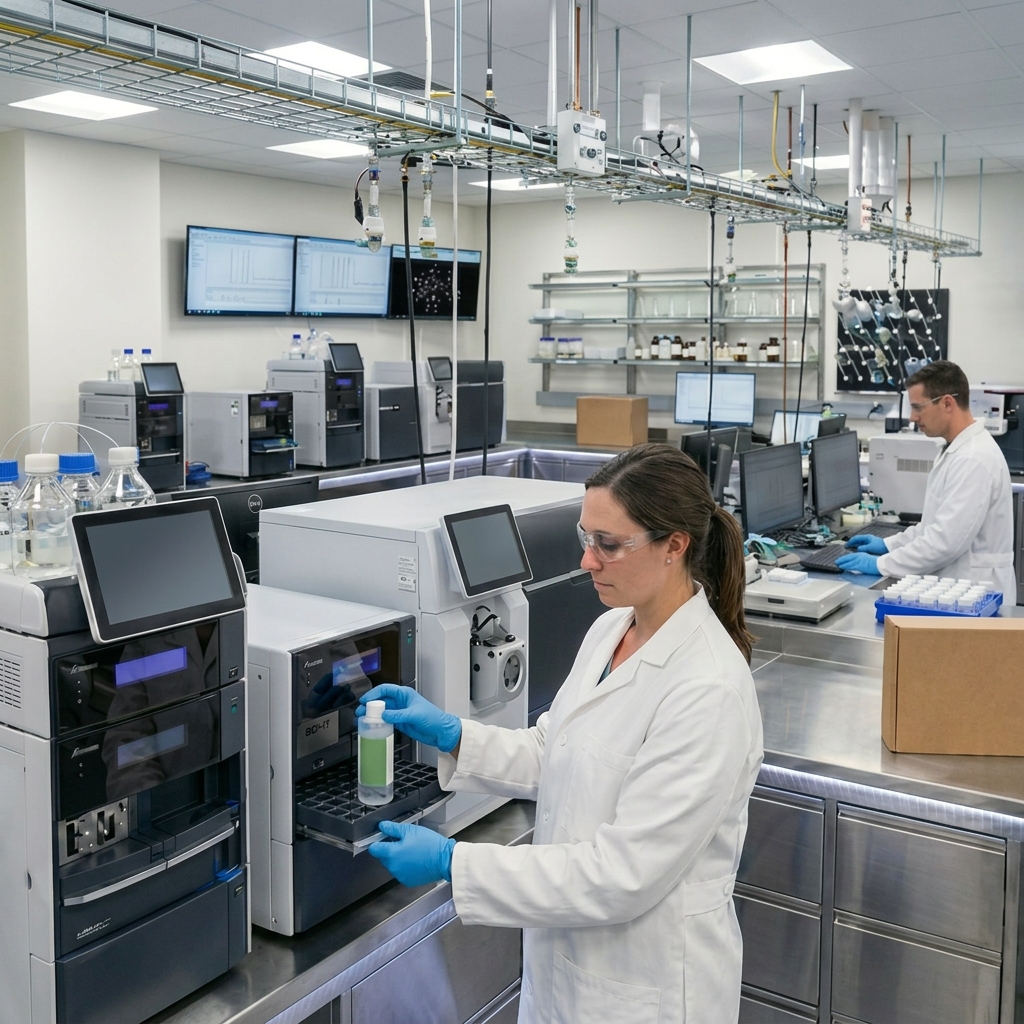
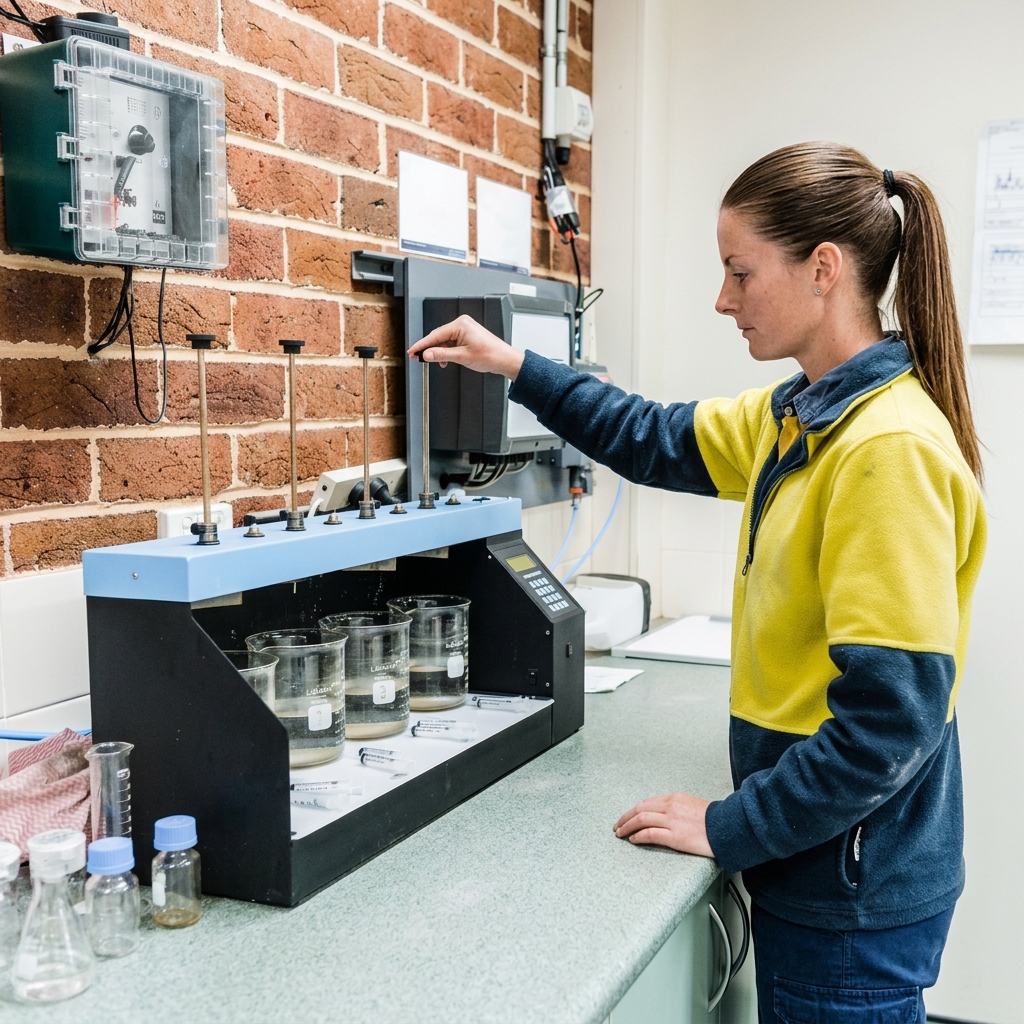
Unfortunately, the level of testing varies greatly between Rural and Regional regions when compared with Major Metro areas.
Major Metro areas commonly test for 100 to 150+ contaminants at high frequency to real time whilst Regional and Rural commonly test for less contaminants at reduced frequencies.
Known gaps in Monitoring and Regulation
Emerging Contaminants Are Under-Regulated
- Substances like microplastics, hormones, antibiotics, and cancer causing PFAS that accumulate in your body forever are not yet covered by enforceable standards in Australia, despite mounting health evidence.
- These compounds are often found in trace amounts in both source and treated water, especially near urban, industrial, or agricultural areas.
Testing Doesn’t Happen in Real Time
- While some physical parameters (like chlorine levels or turbidity) are monitored continuously, most chemical and microbiological tests are conducted after the fact in a lab.
- This means you’re relying on water that was considered compliant at the time of testing not necessarily at the point of use.
Distribution systems are the weakest link, even if water leaves the treatment plant in good condition it is still susceptible to contamination enroute to you via aging infrastructure including underground pipe networks.
Tanks & Storage Make the Problem Worse
- In caravans, RVs, off-grid homes, or rainwater tanks, water quality can degrade rapidly.
- Warm temperatures, sunlight, and stagnant conditions create ideal conditions for bacteria, algae, and viruses to multiply.
Australian and New Zealand regulations are among the best in the world but they’re not perfect. And for people who live or travel off-grid, or store water for extended periods, water quality assurance needs to happen at the tap.
Good enough for the city does not mean good enough for you or your tank.
PFAS: A GROWING CONCERN - in early 2024, the U.S. Environmental Protection Agency (EPA) announced there is no safe level of PFAS in drinking water.
What Are PFAS “Forever Chemicals”?
PFAS, short for per and polyfluoroalkyl substances, comprise thousands of synthetic chemicals prized for their resistance to heat, water, oil, and stains. First invented in 1938, these “forever chemicals” are not a single substance but a large group that includes:
- PFOS: used in shampoos, cosmetics, and stain-resistant fabrics.
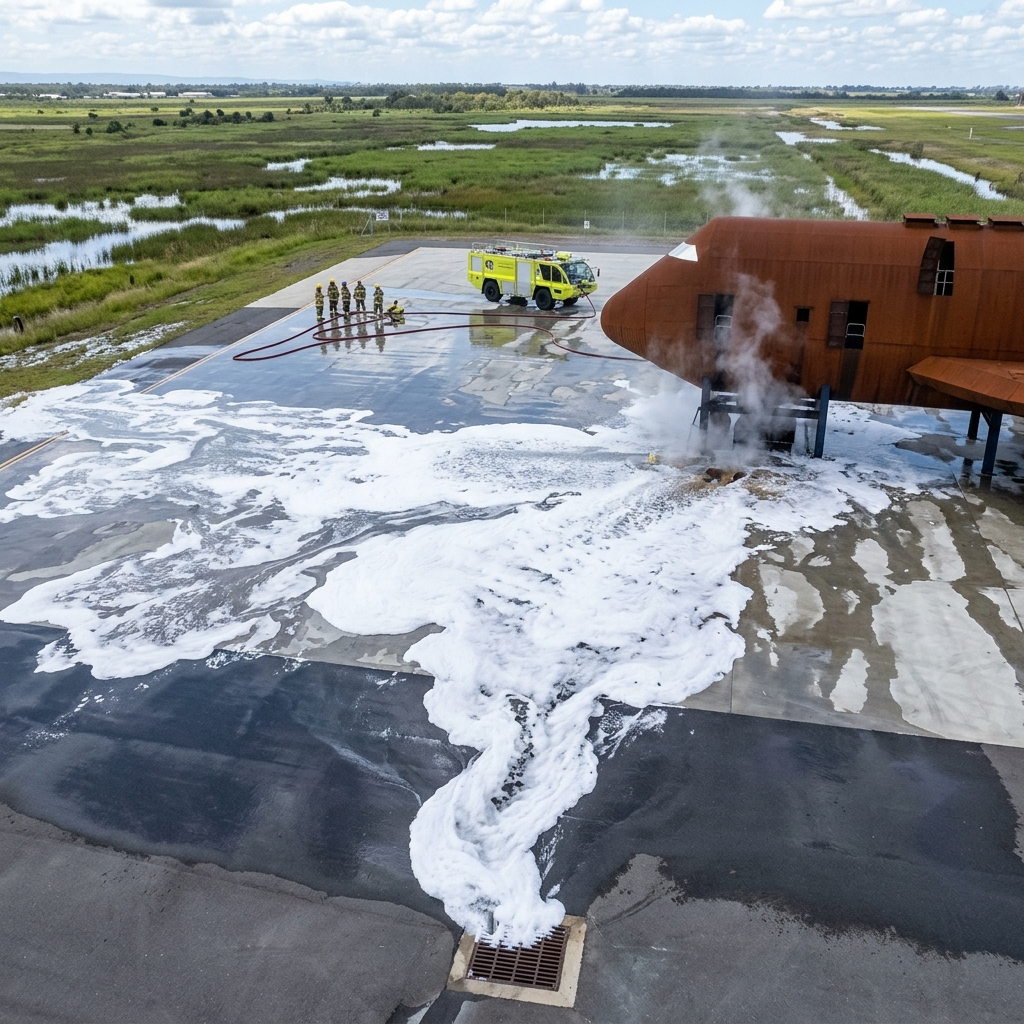
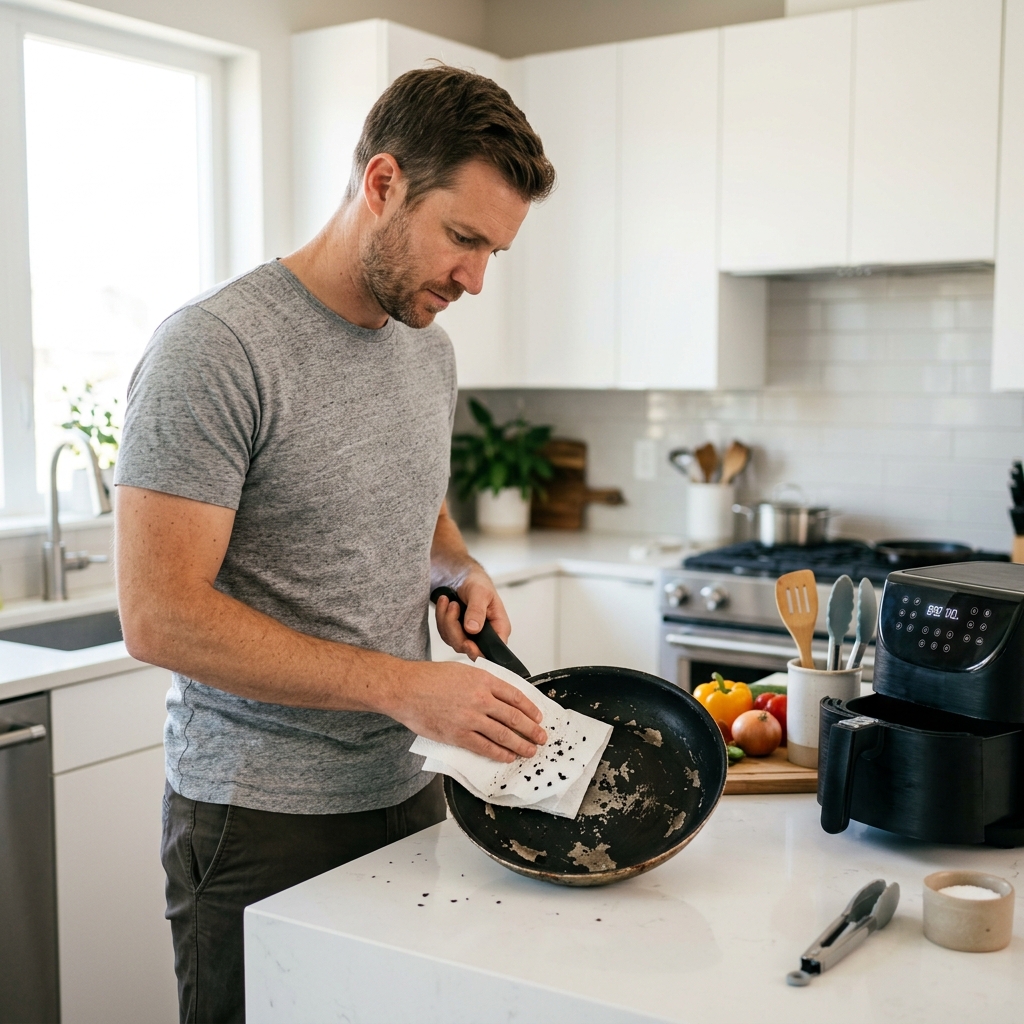
- PFOA: once common in non-stick cookware, firefighting foams, and industrial products.
- PFHxS, PFNA, and others: found in coatings on food packaging, furniture, and carpets.
The alarming characteristic? They do not break down in the environment, or in us. Instead, they bioaccumulate, posing long-term risks as they travel through water, air, and soil.
Sources of PFAS
PFAS enter our surroundings through:
- Industrial legacy: Firefighting foams (used extensively from the 1970s to early 2000s) contaminated groundwater, agricultural areas, and drinking water sources.
- Household items: Everything from non-stick pans and food wrappers to makeup, activewear, rainwear, carpet treatments, and even some medical devices may contain PFAS.
- Personal Hygiene Products: Can be found in both disposable and reusable products including those marketed as natural or organic.
Even remote areas aren’t safe, rain, wind, and rivers can carry PFAS far from their point of origin.
The Health Risks Are Real
PFAS are dubbed the new asbestos due to increasing evidence of serious health implications:
- In December 2023, the World Health Organisation’s cancer agency confirmed PFOA is carcinogenic to humans.
- By April 2024, the U.S. EPA recognized that no level of PFAS exposure can be considered safe, linking them strongly to cancer.
- Additional concerns include effects on cholesterol and liver enzymes, reproductive health, immune response to vaccines, enzyme dysfunction, and risks to infants including low birth weight. PFAS exposure has also been linked to kidney, thyroid, and liver diseases, plus cancers of the lungs, brain, intestines and gastrointestinal tract.
Why PFAS Remain a Challenge
- Thousands of PFAS variants exist, each with unique properties and persistence, making regulation and removal complex.
- Traditional filtration methods, like activated carbon, can reduce PFAS but are rarely sufficient to meet safe levels.
- The most effective existing solution for drinking water is Reverse Osmosis (RO), which filters particles as small as 0.0001 microns, removing the full spectrum of PFAS. AUTARX Reverse Osmosis systems includes options including pre filtration for tank storage and on demand systems.
AGING INFRASTRUCTURE - a hidden threat to water quality
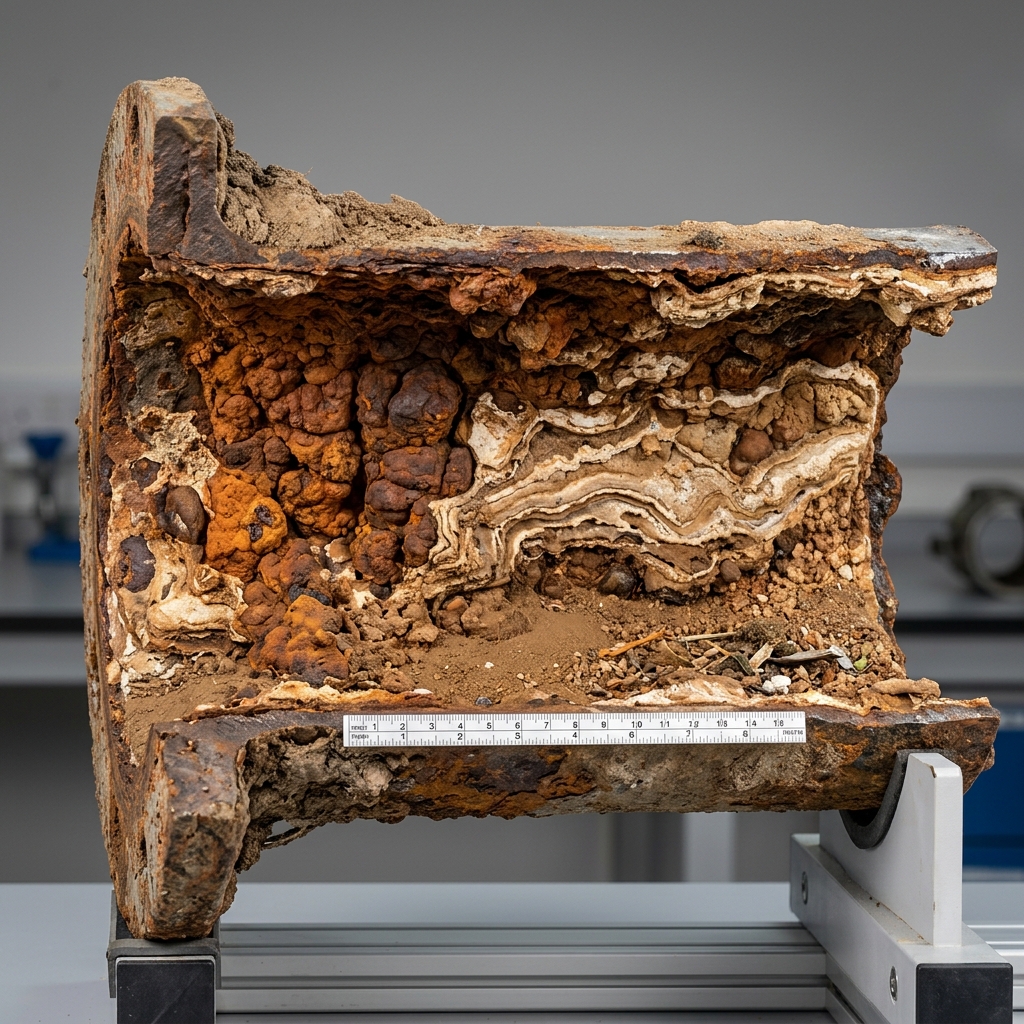
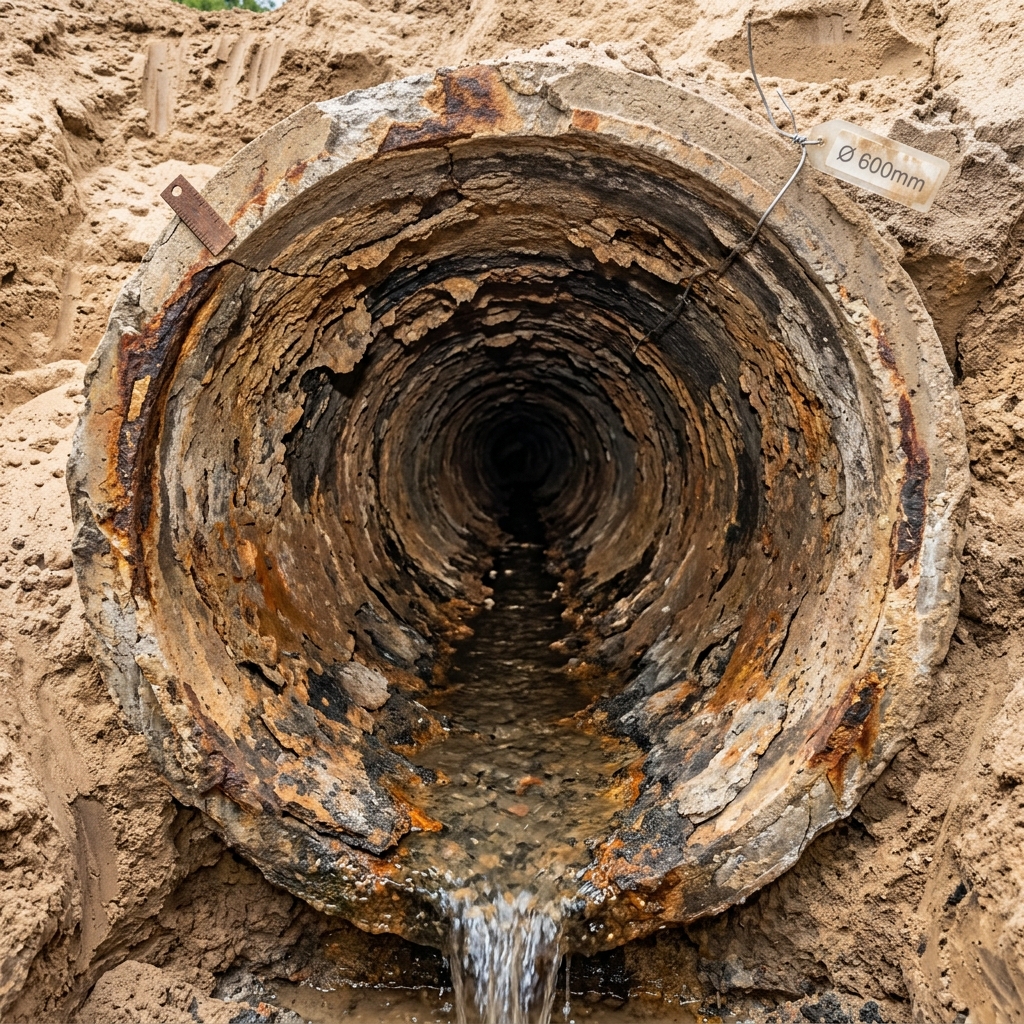
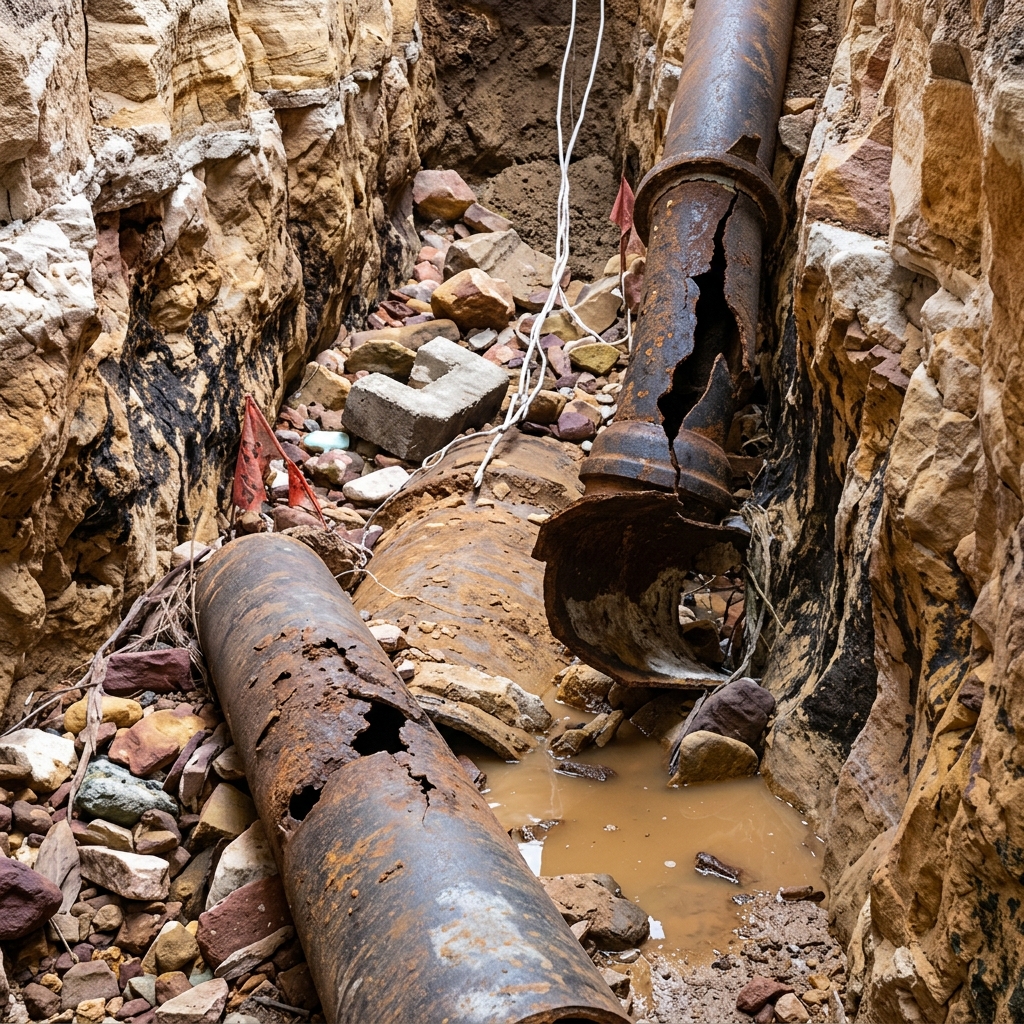
In Australia and New Zealand, municipal water quality is typically monitored and meets stringent standards at treatment plants. However, the journey from these plants to your tap often involves aging pipes and outdated infrastructure, which can compromise water quality.
While Australia doesn’t publish a National single “average age” number of the fresh water supply pipes, the evidence clearly shows that a substantial proportion of underground water pipes are decades or even a century old.
As water travels through these systems, contaminants can leach into the water, particularly in older neighbourhoods or rural areas. This poses a significant risk, as most water quality testing is performed immediately after treatment before the water enters aging or damaged pipes.
The Australasian Corrosion Association (ACA) using data supplied by The National Water Commission and the Water Services Association of Australia (WSAA) estimate the aggregated cost of corrosion in the water sector is close to $1 Billion per annum.
The ACA reports there are around 33,000 watermain breaks every year in Australia, that is a break about every 16 minutes. On average 80% are caused by corrosion.
CHALLENGES IN RURAL AND REMOTE AREAS - Water quality in rural and remote areas across Australia and New Zealand can vary significantly
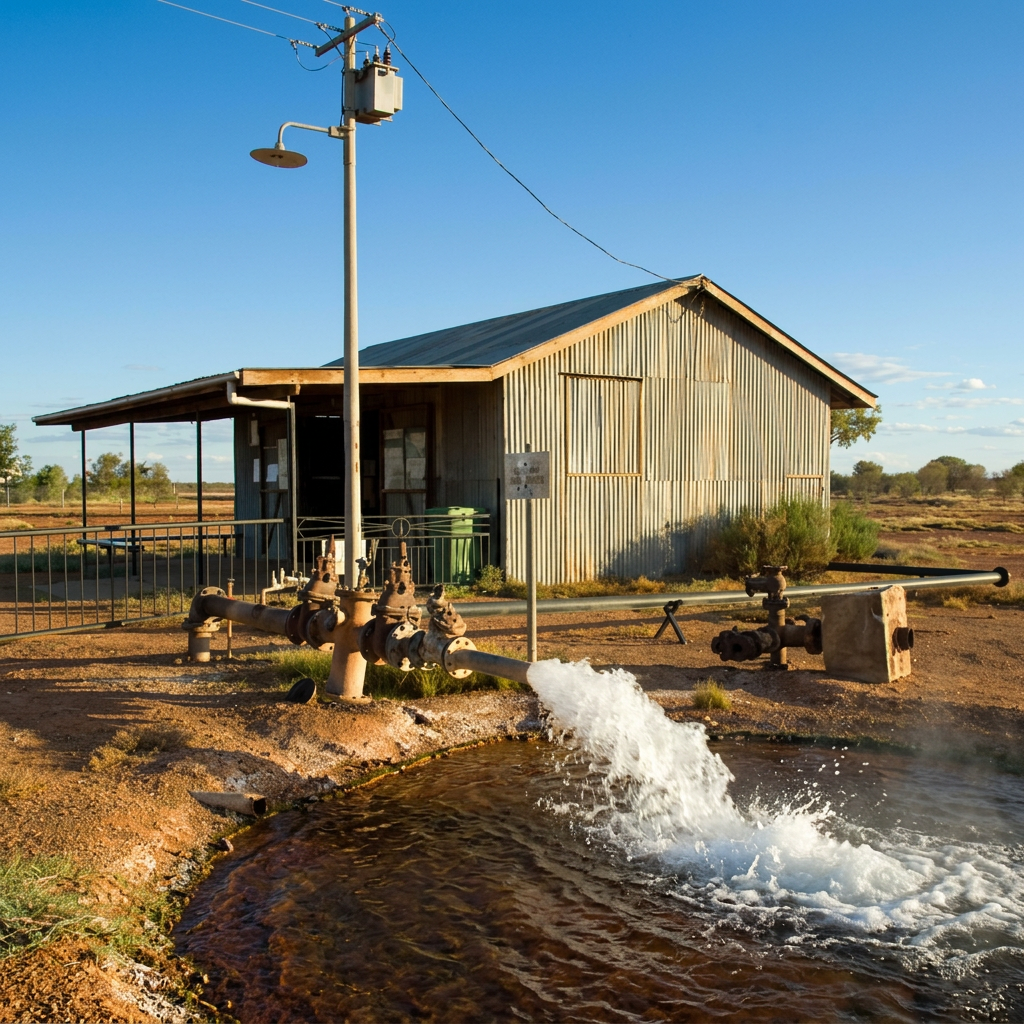
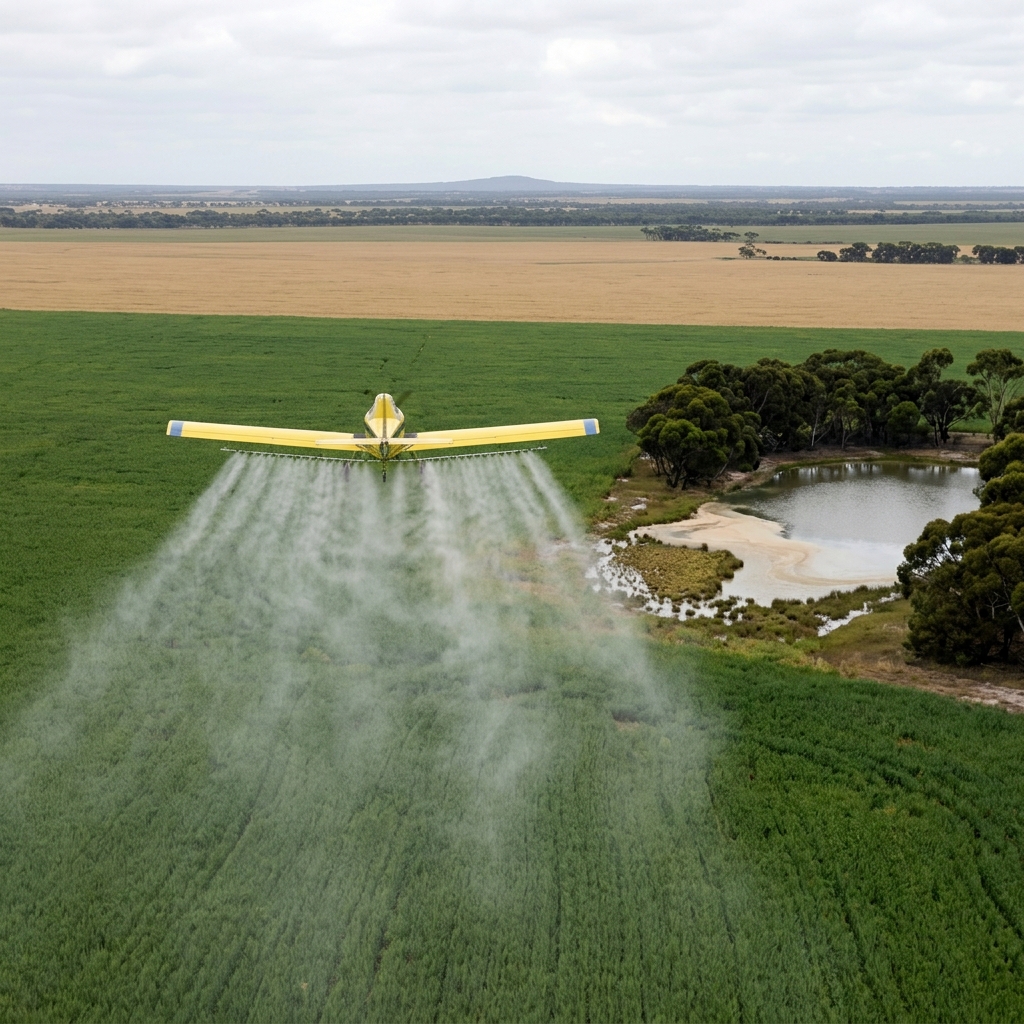
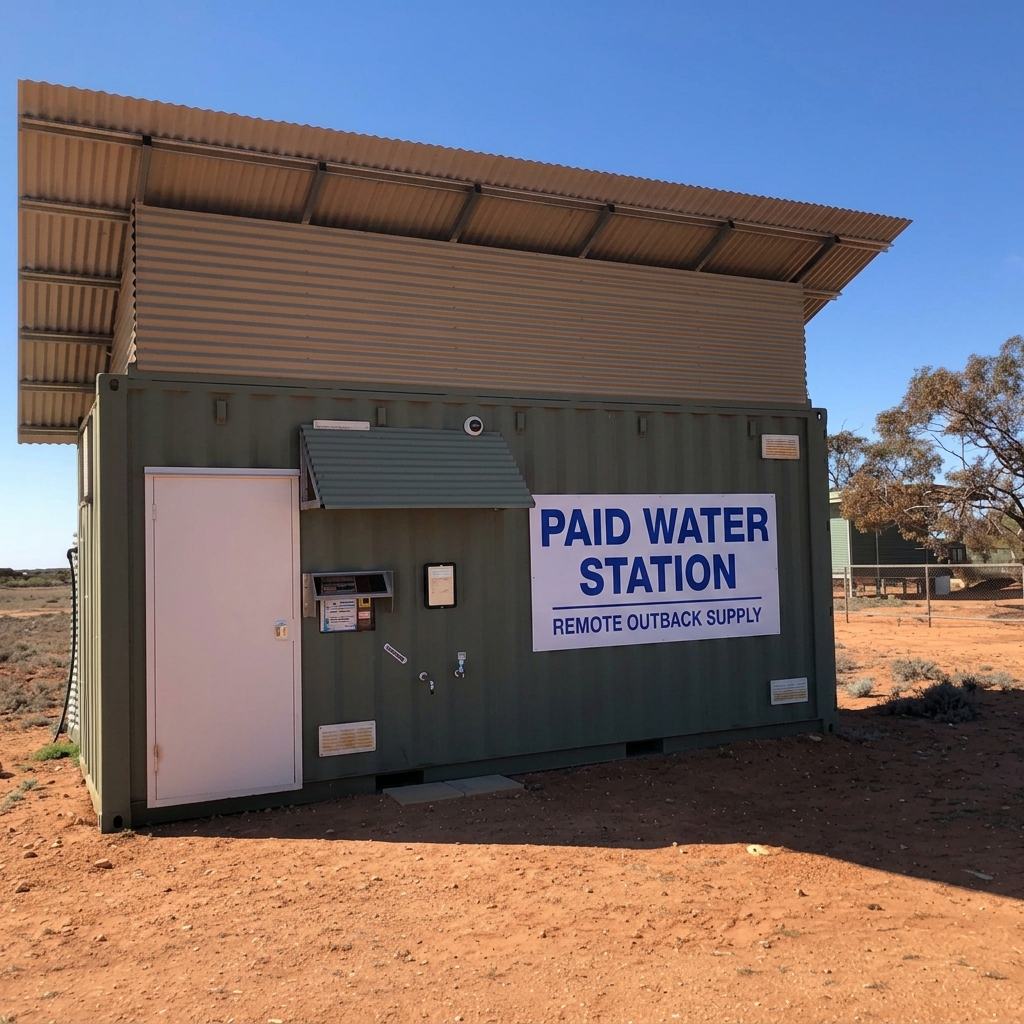
In Australia, many rely on private bore water or untreated water supplies, which are not subject to the rigorous standards of municipal systems. Similarly, in New Zealand, rural agricultural water supplies are often untreated, potentially carrying high levels of contaminants like nitrates and sediment. These sources are no longer untouched by the contaminates of modern society.
Without adequate filtration or purification, these water sources can pose serious health risks. The lack of consistent testing and the presence of unregulated contaminants ranging from agricultural runoff to naturally occurring substances underscore the need for reliable water treatment solutions.
Residents in both urban and rural areas are increasingly turning to advanced filtration and purification systems to protect their health and ensure their water is safe for consumption. These systems provide peace of mind and a practical safeguard against the uncertainties of untreated water sources.
A VITAL LESSON IN WATER SAFETY - a recent documented incident involving a touring family with children
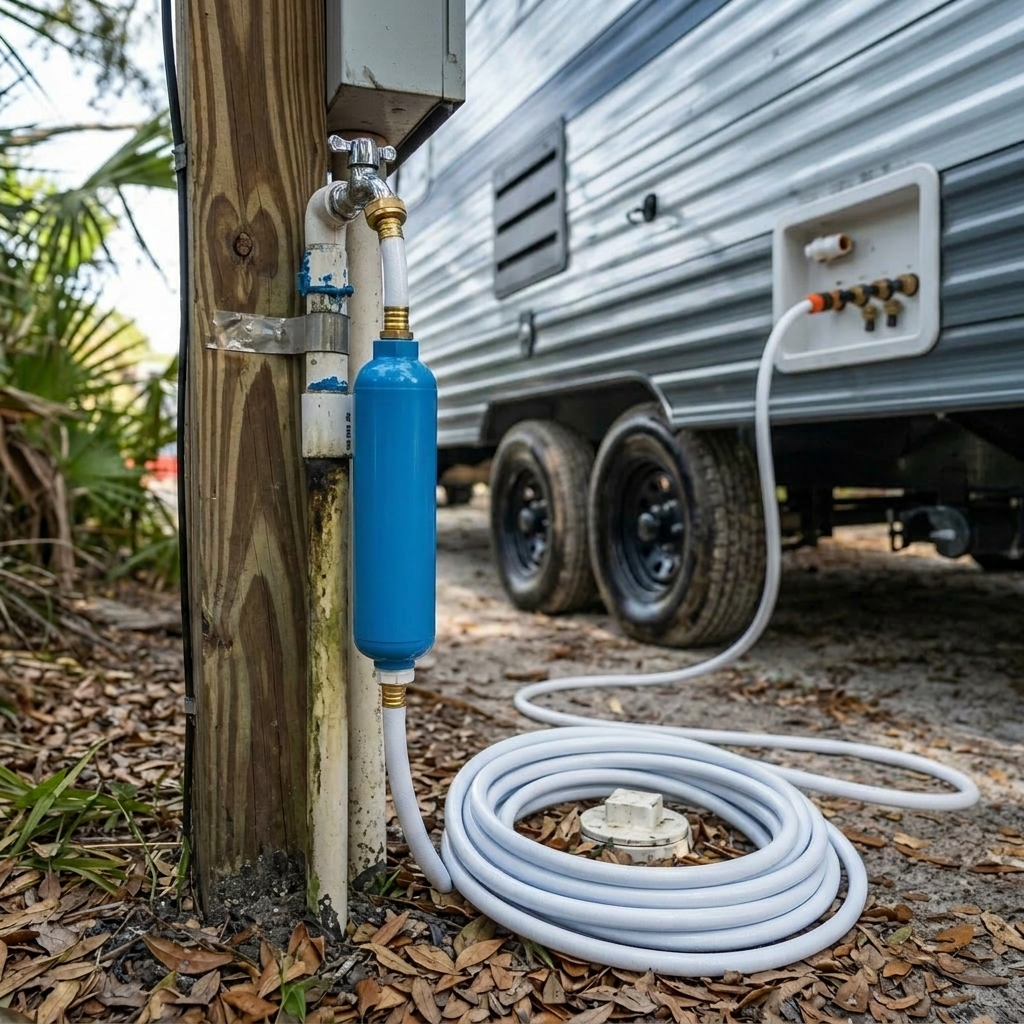


A recent incident involving an Australian family touring in their caravan serves as a sobering reminder of the importance of water safety. During their journey through a rural area, the family relied on local potable water sourced at a caravan park that was unknowingly contained the Giardia protozoan parasite. Despite using a standard and common RV water filter it unfortunately did not remove harmful pathogens, leading to severe gastrointestinal illnesses that required hospitalisation for every family member including the young children.
The incident highlights critical considerations:
- Never Assume Water Quality: In this instance the family believed the water to meet potable standards.
- Know what your filtration systems limitations: An understanding of filtration and purification is invaluable along with an understanding of what your filters are. Basic filtration systems based on Nominally rated filters are often insufficient.
- Being Prepared for the Unknown: Portable water purification systems are a necessity when exploring remote locations where water quality is uncertain, untested and at your own risk.
Even in countries like Australia and New Zealand, where tap water is generally safe, untreated or inadequately treated water sources can pose significant risks. This family’s story underscores the importance of proactive water safety measures, ensuring peace of mind and protection for your loved ones.
IS AUSTRALIAN TAP WATER SAFE TO DRINK
Tap water in Australia and New Zealand is generally safe to drink, however.
However, while it meets regulatory standards, is it truly the best option for your health? Filtered or purified water is often a superior choice, offering enhanced taste and removing impurities that may still be present.
For those traveling or seeking the highest quality water, using a reliable water filtration or purification system is a prudent safety measure. This ensures access to clean, healthy water wherever you are in.
Considering these factors, investing in reliable water filtration or purification systems can provide peace of mind with improved water quality.
IS BOTTLED WATER HEALTHY?
Is bottled water safer or healthier than tap water? In short, the answer is no.
A study published in January 2024 found that a litre of bottled water contains an average of 240,000 tiny pieces of plastic, with 90% of those pieces being nano plastics. Each litre of bottled water tested contained between 110,000 and 370,000 Nano and microplastics (NMPs) pieces.
The study used a technique called stimulated Raman scattering microscopy, which involves using two lasers to make specific molecules resonate. This allowed the researchers to see, count, and analyse the chemical structure of the nanoparticles. The study was conducted by researchers at Columbia University Lamont-Doherty Earth Observatory, Columbia University, and Columbia Mailman School of Public Health.
WHY DO WE CONSUME SO MUCH - it’s effortless to grab a bottle while on the go, making it an attractive choice for busy lifestyles.
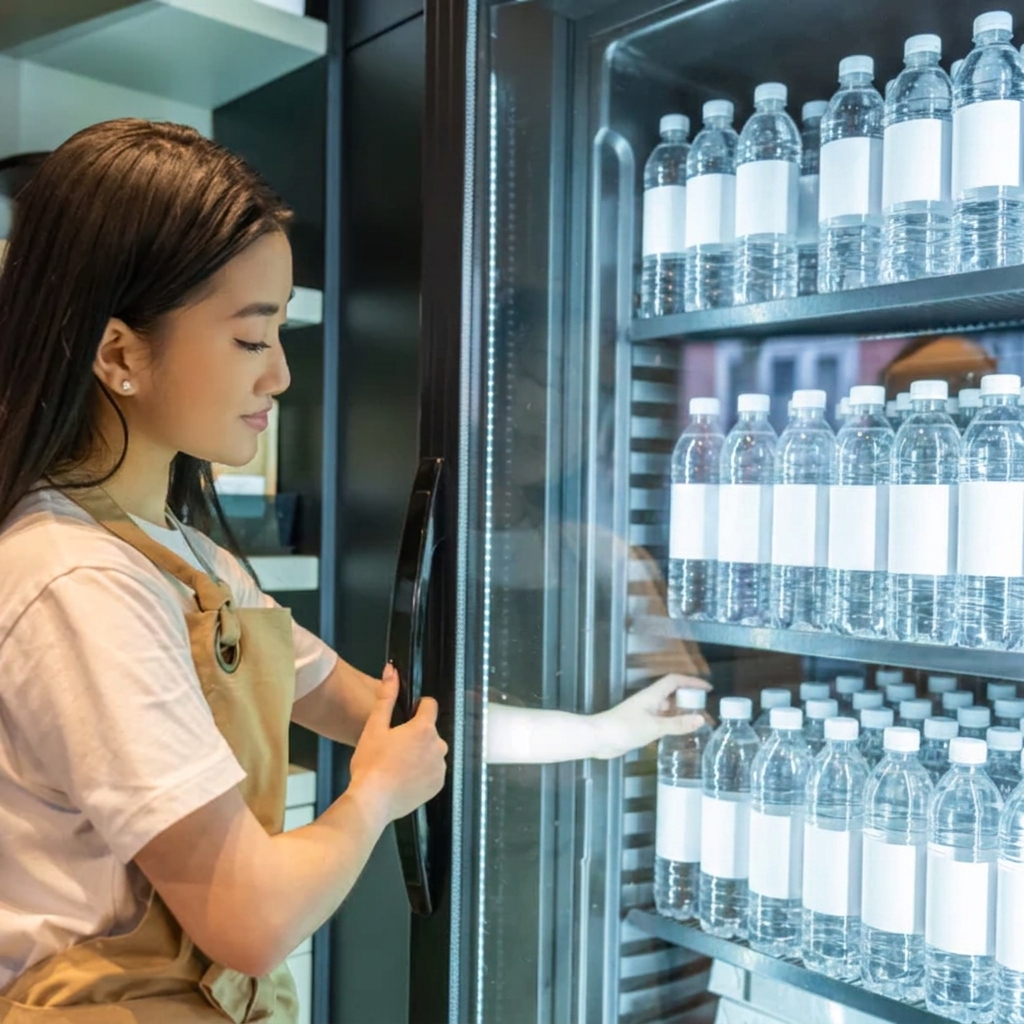
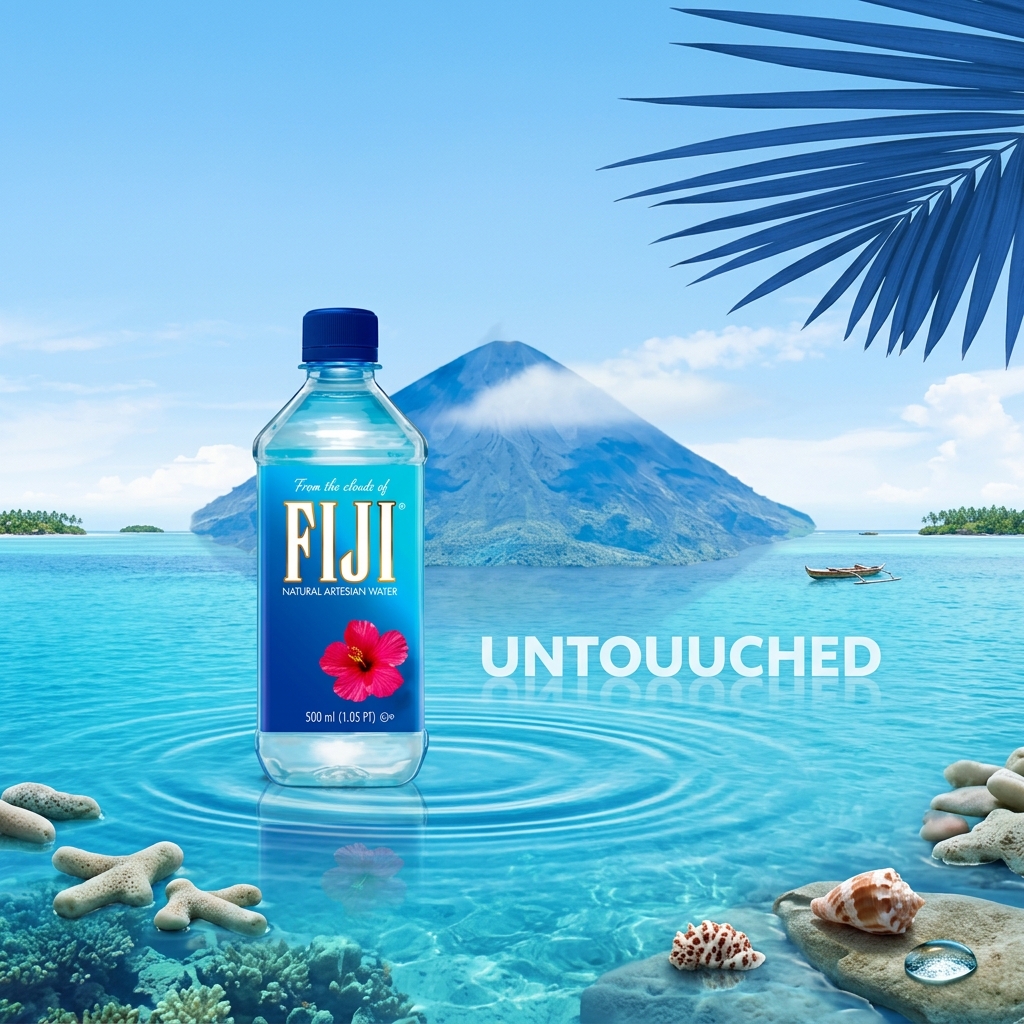
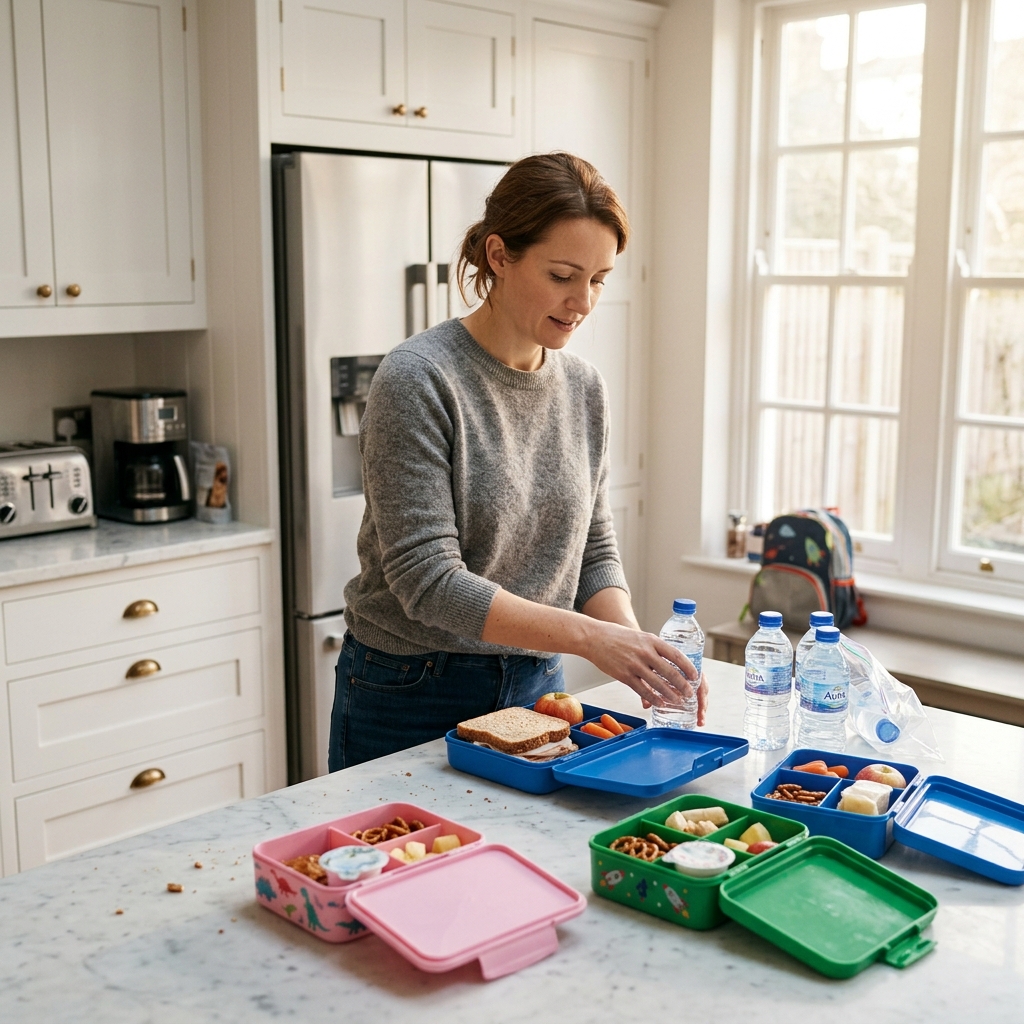
In Australia and New Zealand, convenience plays a significant role in the high consumption of bottled water. Additionally, powerful marketing campaigns have successfully shaped consumer behaviours, positioning bottled water as a premium, fashionable, and safer alternative to tap water. These perceptions, often fuelled by branding, have contributed to the widespread preference for bottled water, despite growing awareness of its environmental and economic impacts.
By choosing sustainable water solutions, such as advanced filtration and purification systems, we can reduce reliance on bottled water, ensuring access to high-quality, safe drinking water whilst supporting the environment.
THE RISKS OF BOTTLED WATER - unseen dangers lurk behind the convenience of bottled water, protect your health with your choices.
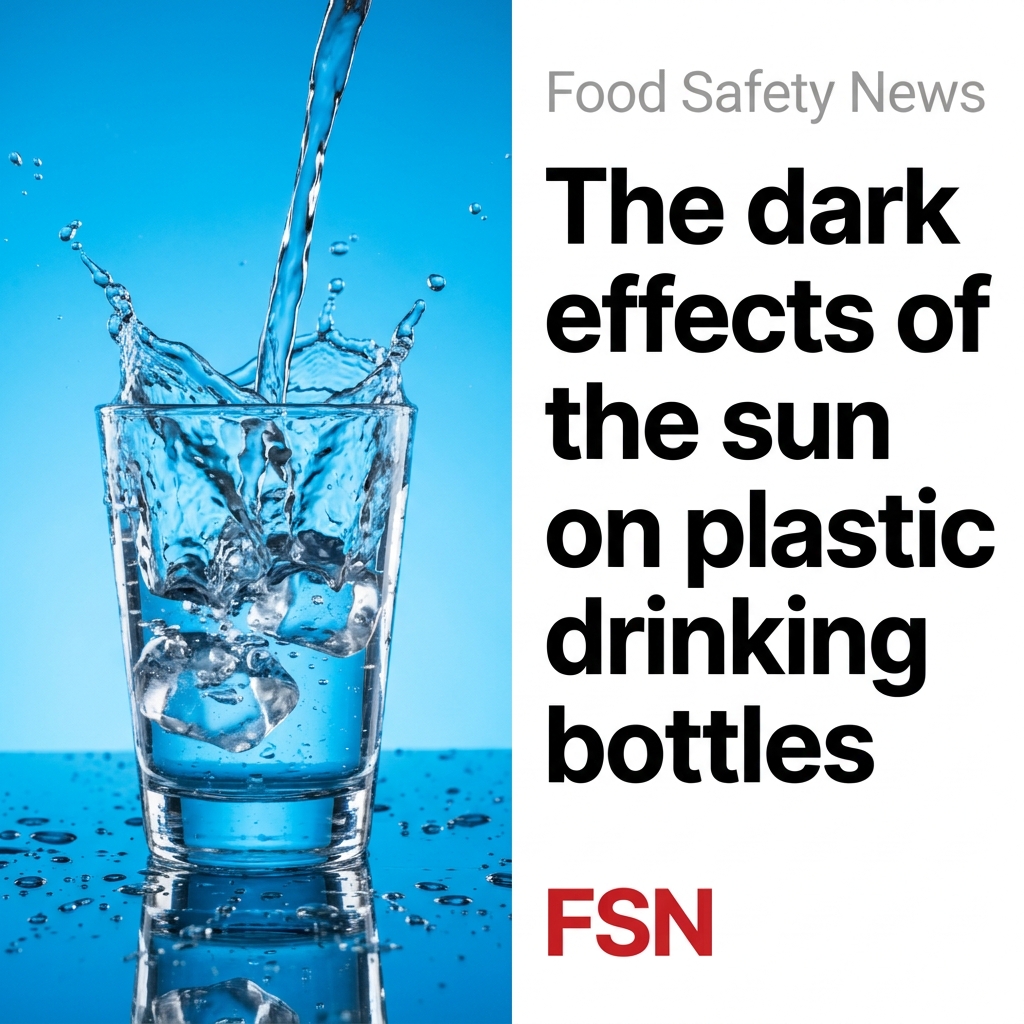
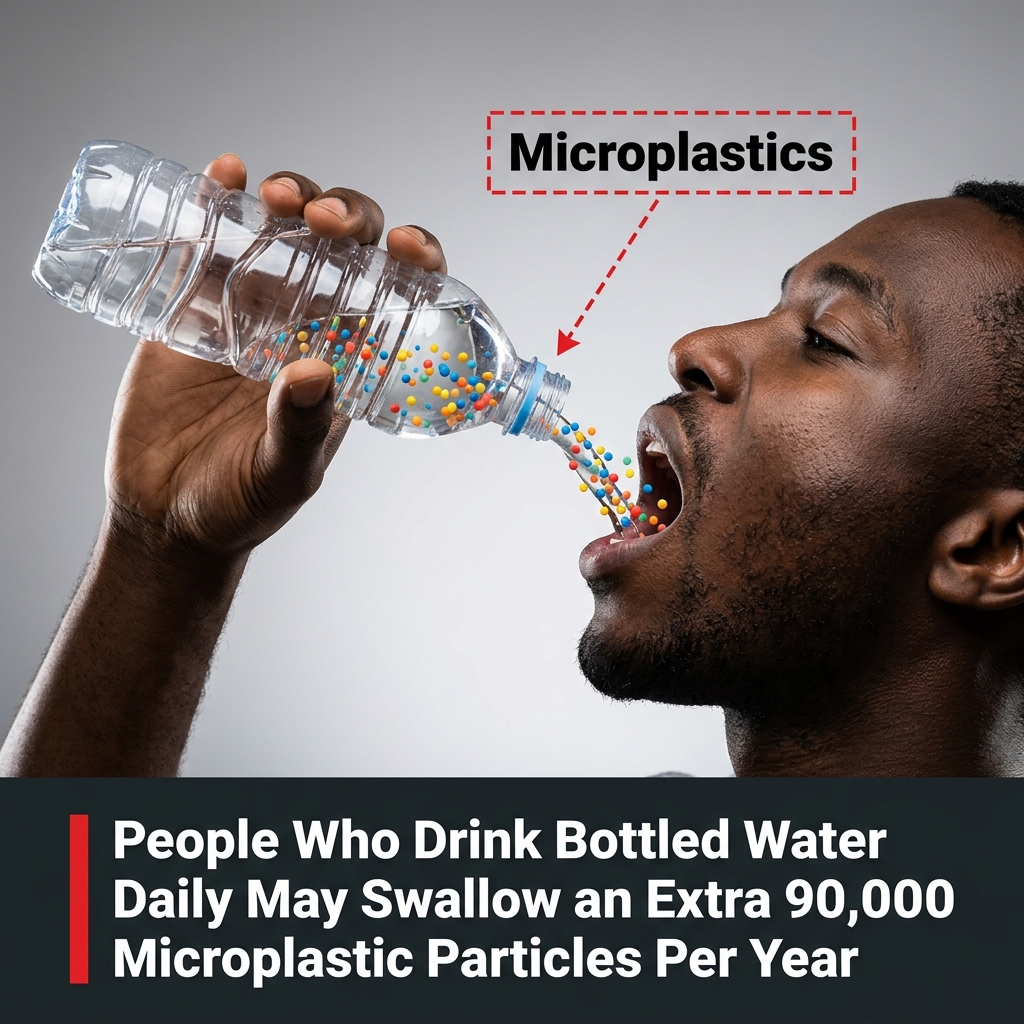
In Australia and New Zealand, concerns about bottled water often focus on the dangers associated with plastic packaging, particularly the presence of harmful chemicals like Bisphenol A (BPA). BPA, an endocrine disruptor, can interfere with the body’s hormonal balance, potentially leading to serious health issues. While many manufacturers now avoid “type 7 plastic,” which commonly contains BPA, this doesn’t eliminate the risks entirely.
Even in BPA-free products, other chemicals used in the production of disposable bottles and the lining of aluminium cans can pose health hazards. When water is stored in these materials, it can interact with the plastics in ways that release harmful substances, including other endocrine disruptors, into the water.
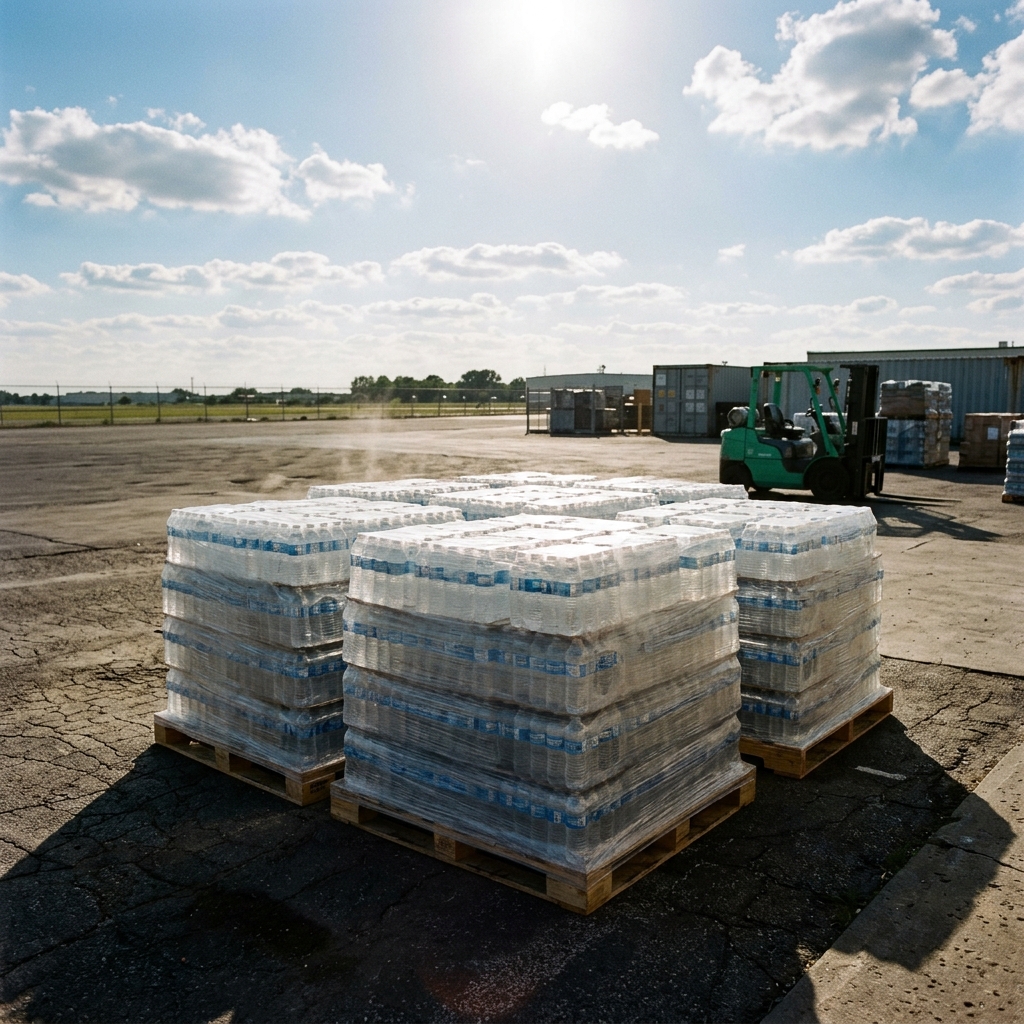
The risks are heightened when bottles are exposed to heat and humidity. Over time, these factors can cause chemicals to leach into the water, effectively degrading its quality. Unfortunately, there is no simple way for consumers to detect this contamination, making it easy to unknowingly ingest harmful substances.
Choosing safer, sustainable water solutions, such as high-quality filtration systems, can help mitigate these risks, providing peace of mind and a healthier alternative to bottled water.
POTENTIAL HEALTH IMPLICATIONS - what you drink water from can be as important as the water itself.
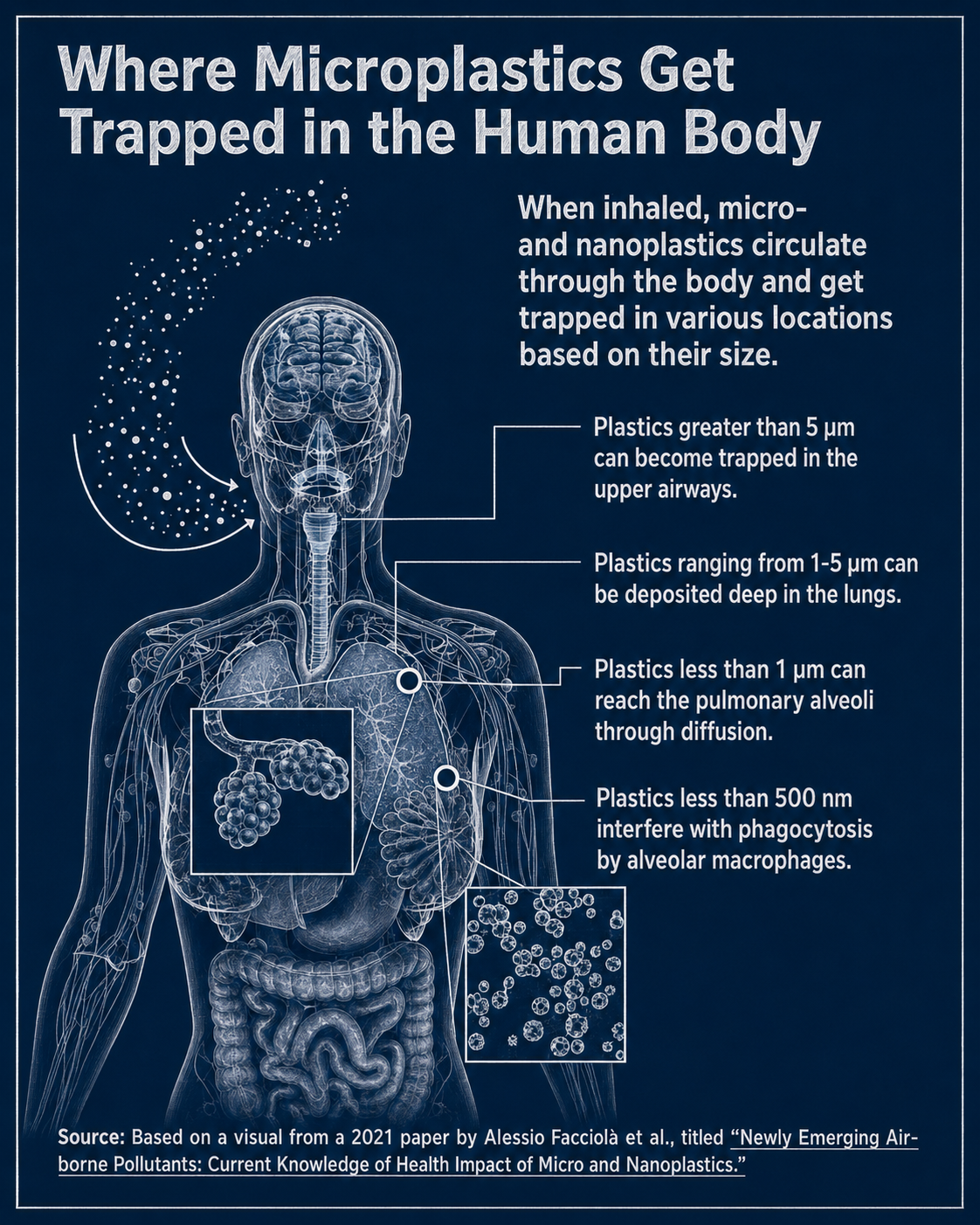
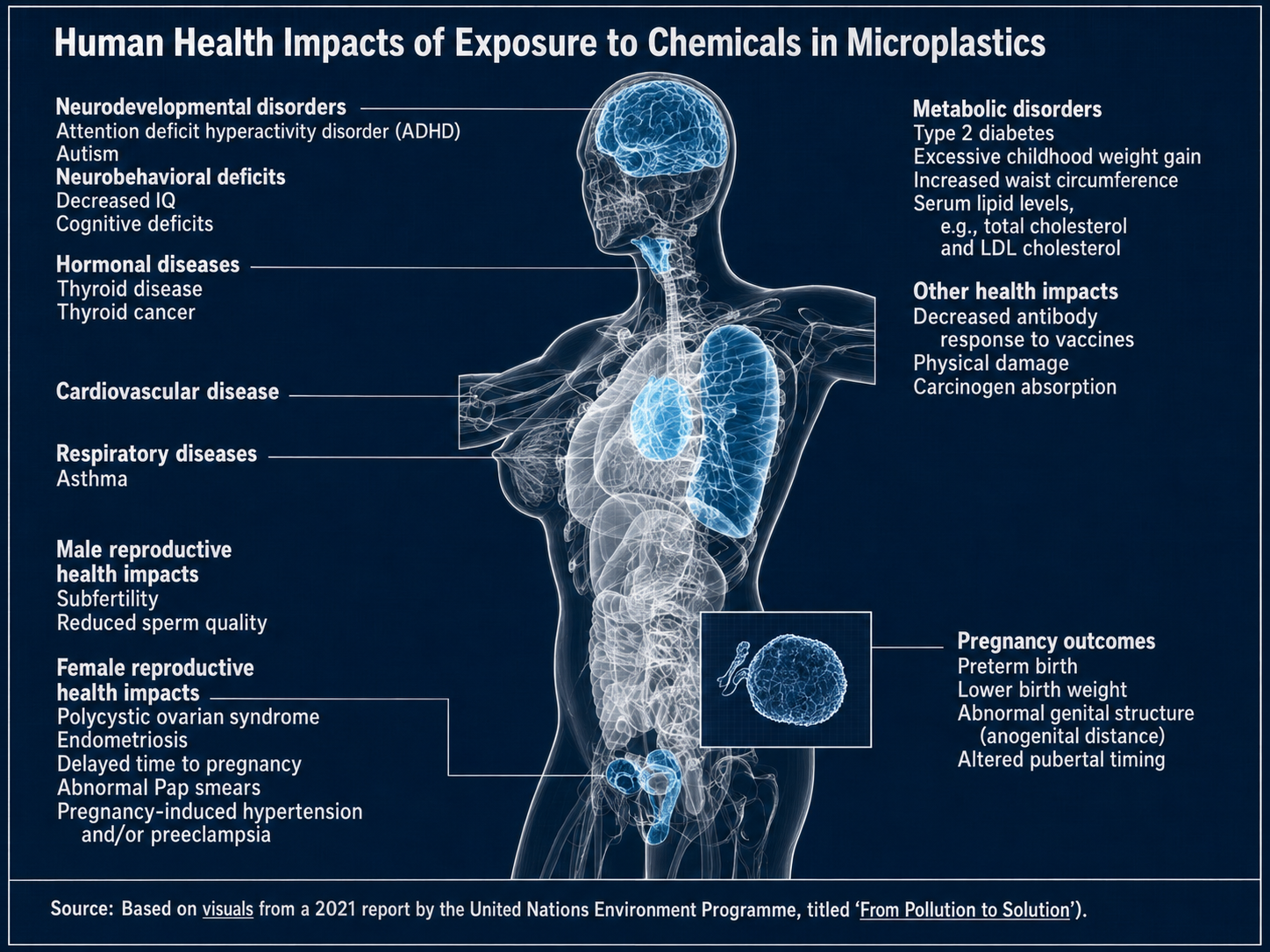
Endocrine disruptors commonly found in plastic bottles can interfere with hormonal balance, acting as synthetic estrogens that disrupt critical bodily functions. These hormonal imbalances have been linked to a range of health issues, including reproductive challenges for both men and women, such as reduced fertility. Additionally, chemicals in plastic bottles have been associated with birth defects, developmental disabilities like hyperactivity disorders, early-onset puberty, and an elevated risk of certain cancers. Experts often advise expectant mothers to avoid bottled water to reduce exposure to these risks.
Beyond reproductive health, hormone disruptions caused by chemical exposure can also impact weight management. These chemicals can alter fat storage, distribution, and metabolism, undermining overall health. Thus, while staying hydrated is vital for well-being, consuming water from plastic bottles may diminish its health benefits.
Prolonged exposure to chemicals such as BPA or its substitutes found in plastic bottles has also been linked to severe conditions, including cardiovascular disease and Type 2 diabetes. Choosing safe, sustainable water storage and filtration options is a proactive step toward safeguarding your health and that of your family
THE TRUTH ABOUT BOTTLED WATER PURITY - paying a premium for purity? The reality of bottled water may surprise you.
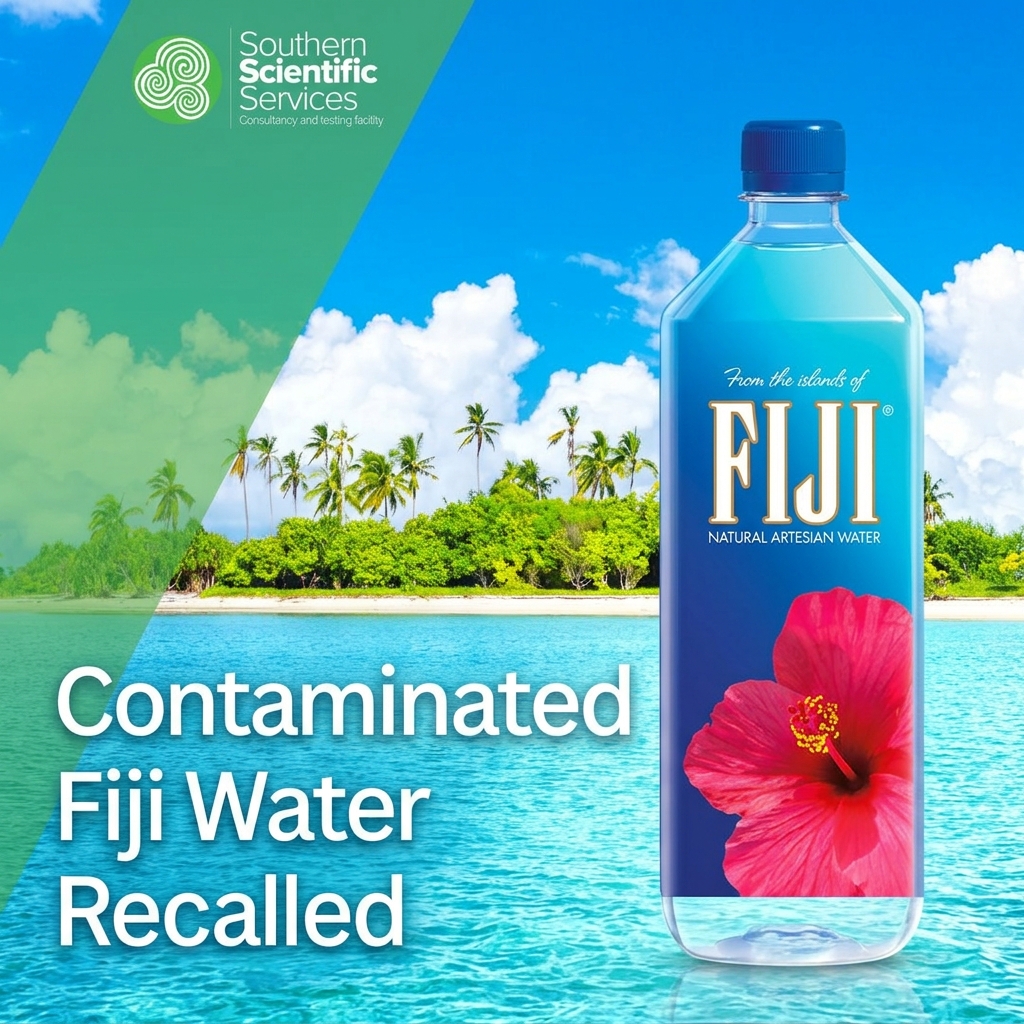
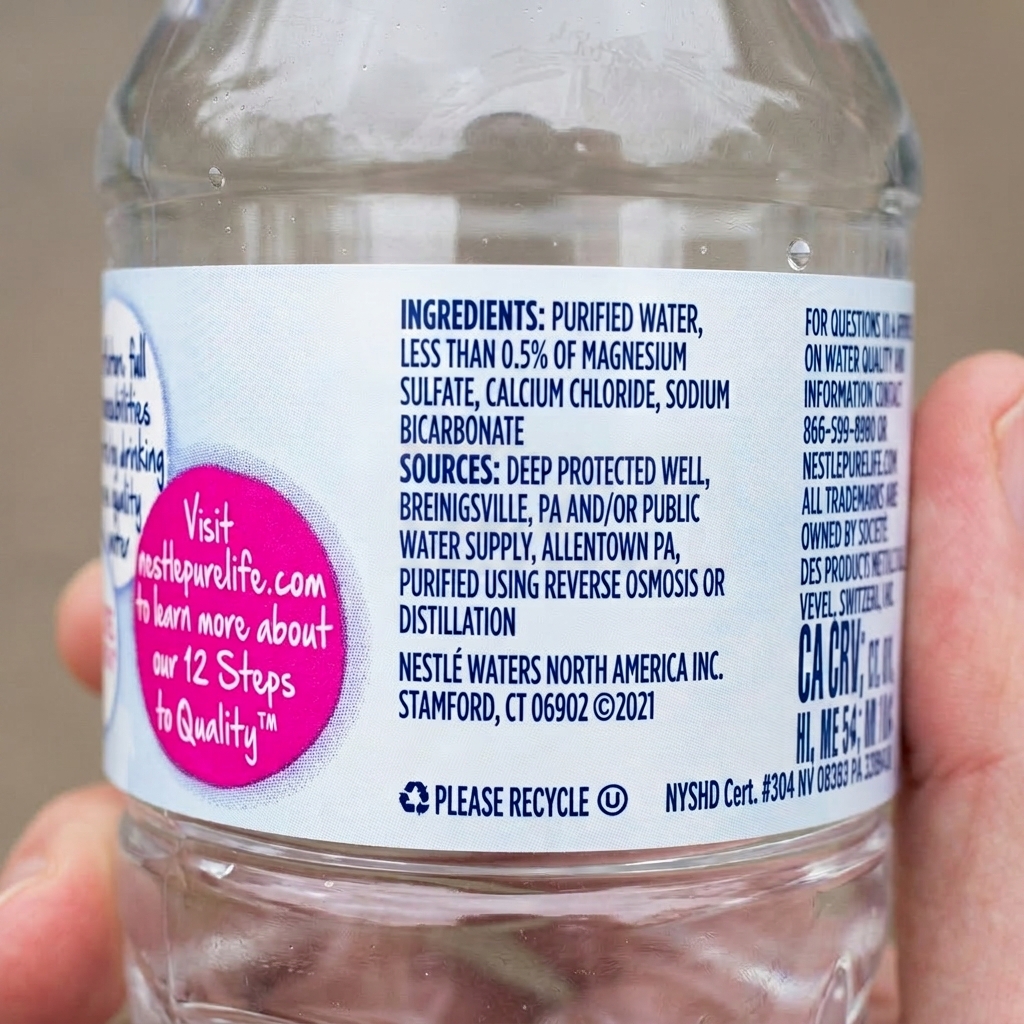
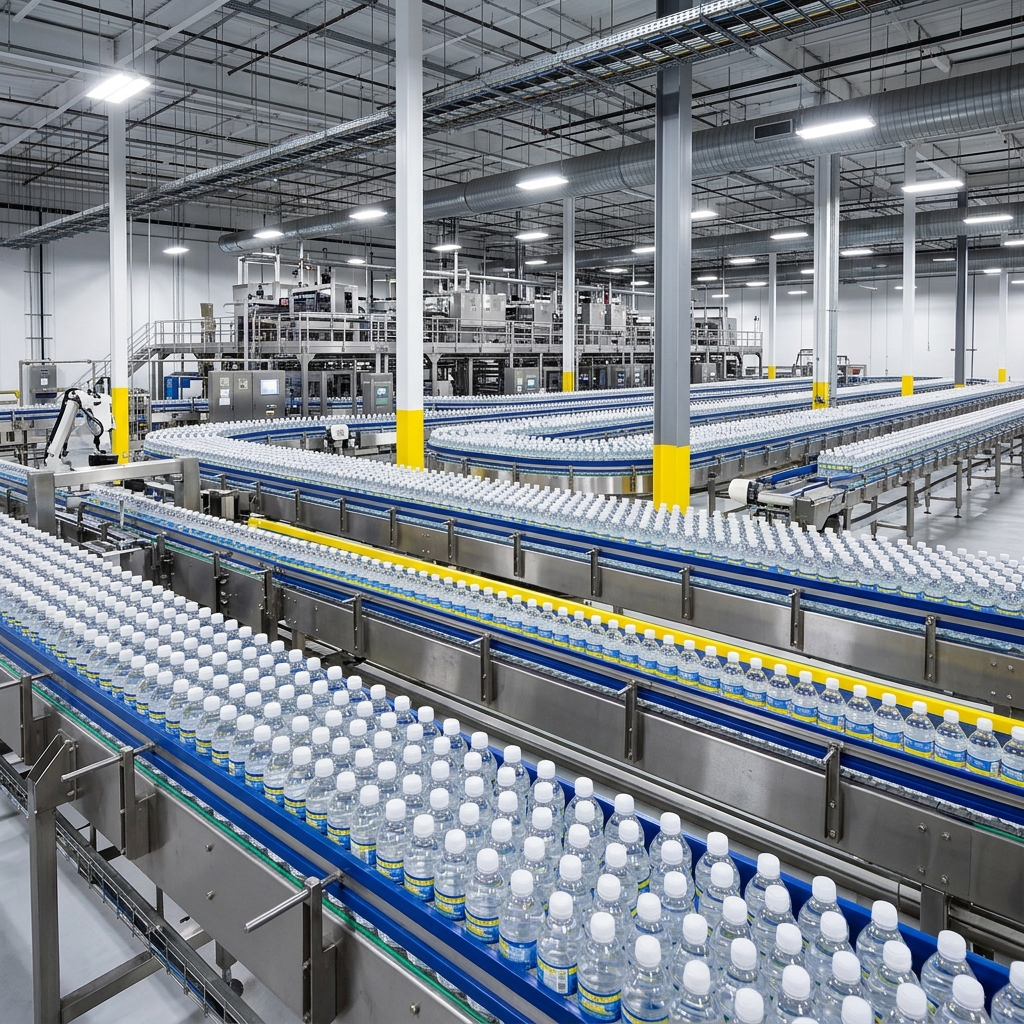
Despite marketing campaigns that highlight imagery of untouched mountains, springs and artesian aquifers the reality is that bottled water is filtered.
Data has 20 to 25% of bottled water being sourced from city water with additional filtration before packaging.
Even the market leading Fiji water has additional treatment before bottling. After collection, the water undergoes minimal treatment to ensure safety without altering the composition:
- It is filtered to remove particulate matter.
- Micron-filtration is applied to eliminate microbiological particles.
- Ultraviolet (UV) light is used for further disinfection.
Studies have detected contaminants in bottled water, including microbes, mould, toxic substances like arsenic and Nano and Microplastics (NMPs). Whilst bottled water in Australia and New Zealand is regulated by Food Standards Australia and New Zealand (FSANZ) and enforced by state and territory food authorities, these measures don’t guarantee absolute purity. Furthermore, industry memberships, such as the Australasian Bottled Water Institute (ABWI), are voluntary and require only minimal annual testing.
Carawater – The Best Water Filters
While it cannot be said that tap or any fresh water sources are perfectly safe, our aim is to provide scientifically supported transparent information.